Convincing Your Partner to Buy a New Garden Set: A Practical Guide
What if the best way to make the case for a new garden set is to treat it as a shared decision, not a purchase to win? If you’re thinking about convincing my partner on a new garden set, start with an honest conversation about how you both use the garden and what you’d like it to offer.
It’s understandable if one of you sees outdoor furniture as an unnecessary expense, particularly if the garden or patio is rarely used. Different tastes, limited space and concerns about British weather can make the decision harder. The aim isn’t to apply pressure; it’s to work out whether the right set could make time outdoors more comfortable and useful for you both.
This guide will help you build a thoughtful, no-pressure case around your shared priorities. You’ll consider how a garden sofa set, dining set or compact bistro set could suit your space, then compare materials such as rattan, rope weave and rust-free aluminium. By the end, you’ll have a clearer way to discuss the options and reach a decision that feels right for both of you.
Key Takeaways
- Start with a calm conversation about how you each want to use the garden, rather than debating furniture styles straight away.
- Build a shared case by listing likely uses, checking the available space and exploring furniture that suits both.
- Compare garden sofa sets, corner lounges, dining sets and compact bistro sets against your priorities for use, look and layout.
- When convincing my partner on a new garden set, focus on a genuine shared need and narrow the options to a practical shortlist.
- Review your agreed priorities before deciding together. If seeing furniture in person would help, consider visiting the Rengard showroom.
How to talk about a new garden set without turning it into an argument
You may picture slow breakfasts outdoors or a comfortable place to unwind, whilst your partner may see furniture that takes up space and gets little use. Neither view is wrong. A garden needs to work for everyone who shares it, so different priorities are a starting point for discussion, not a reason to push for an immediate yes.
If you’re thinking about convincing my partner on a new garden set, begin with what you both want from the space, not with a particular shape or finish. Choose a relaxed moment, rather than raising it during another household decision. That gives you time to understand each other before comparing options.
For a useful perspective on collaborative discussion, read about principled negotiation tactics. The emphasis is on identifying common interests rather than treating the conversation as a contest.
To picture how an outdoor sofa set might work for shared time outside, watch this garden furniture video:
A garden set is a shared-use decision. It should support routines you both value, not simply reflect one person’s preferred look.
Start with how you both want to use the garden
Ask what matters most: relaxing with a book, eating outside, having friends over or enjoying a quiet cup of tea together. Make it specific. Would a table make it easier to eat lunch outdoors, or would comfortable chairs give you somewhere to sit after work? Then ask what currently feels missing. You may find you agree on the activity, even if you pictured different furniture.
Listen for the concern behind a no
A hesitation can have several causes. Your partner may be concerned about a compact patio feeling crowded, furniture coping with British rain, a style that doesn’t suit the house, limited use or household spending. Ask what concerns them most rather than guessing, then reflect it back neutrally: “So you’re mainly unsure we’d use it enough.” This shows you’ve heard the concern before responding.
Keep the outcome open. If space is the sticking point, you could consider a smaller bistro set later; if weather is the concern, compare the materials and cushion fabrics listed for the furniture. It’s also fine to pause or decide that a smaller change would suit you better. A calm discussion should help you understand the choice, not force a purchase.
Build a shared case for a garden set around everyday use
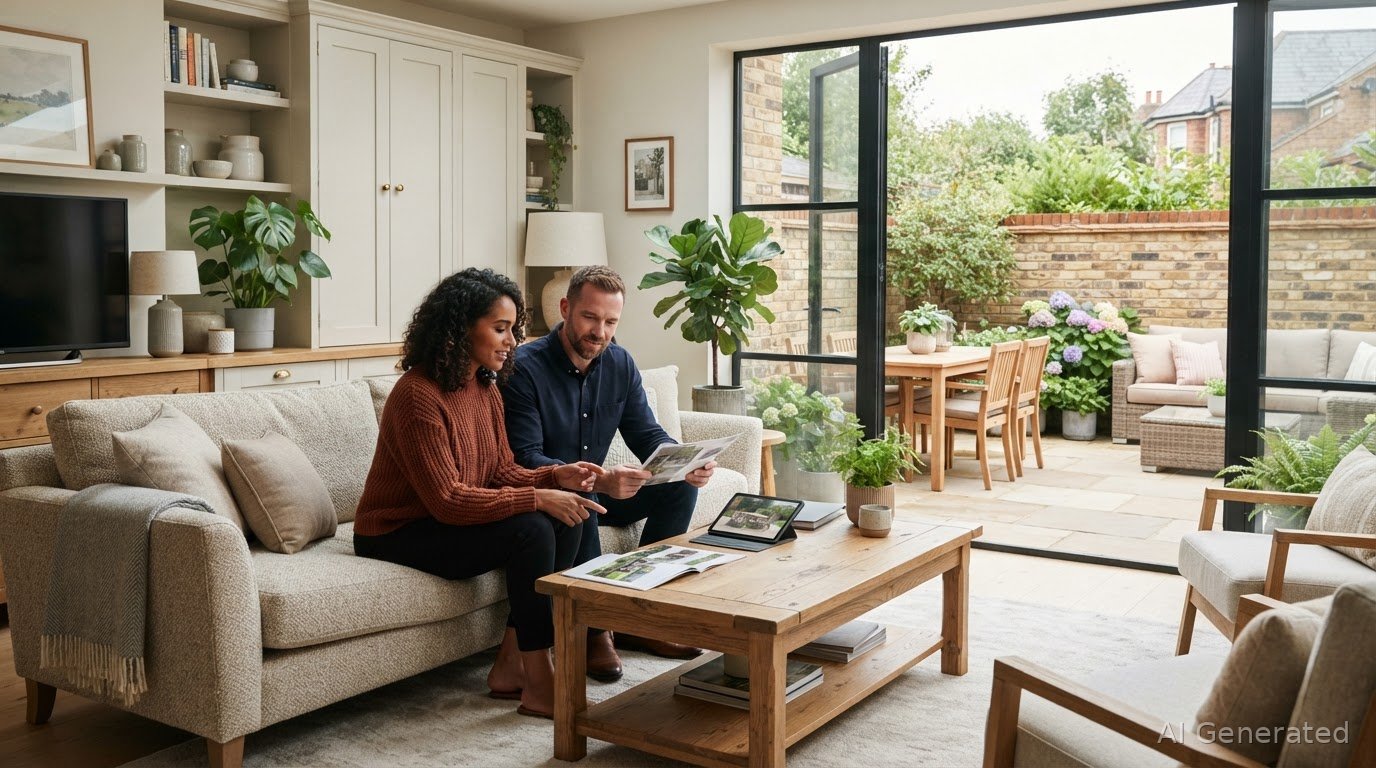
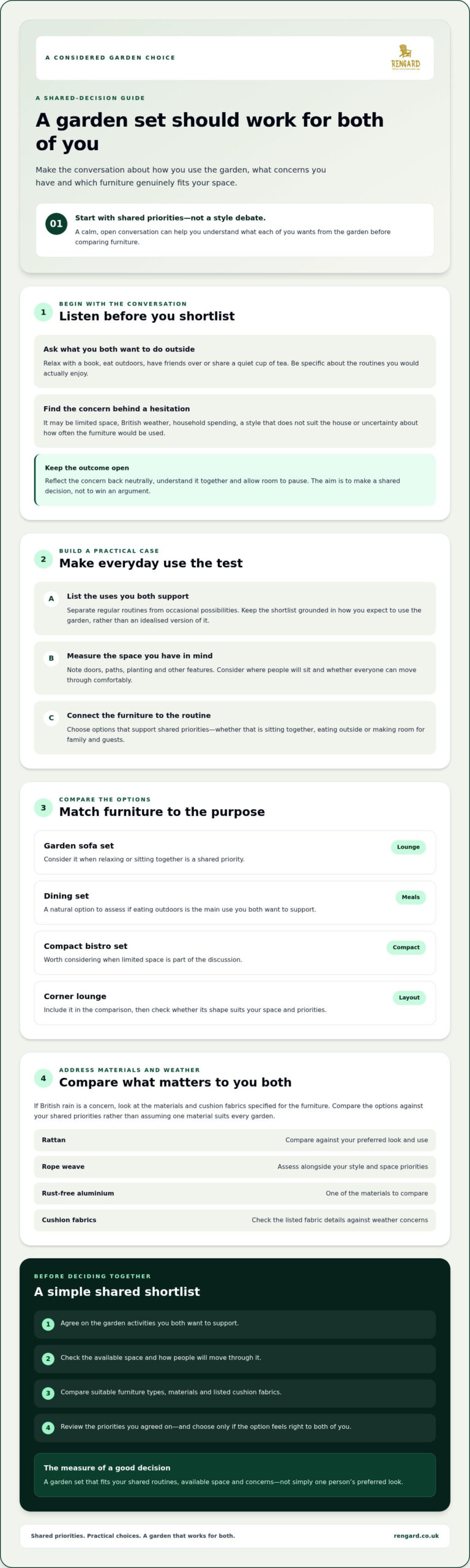
Once you’ve heard each other’s concerns, turn the conversation towards practical use. List the activities you’d like to support, check the available space, then compare furniture that suits both. This gives you something concrete to assess together instead of asking either partner to agree to an abstract idea.
Think about whether outdoor furniture would make it easier to sit outside together, share a meal or host family. The American Psychological Association explores the benefits of spending time in nature; this may help you think about how you could use your garden, without assuming that new furniture will change your routines or relationship.
Connect the idea to routines you already share
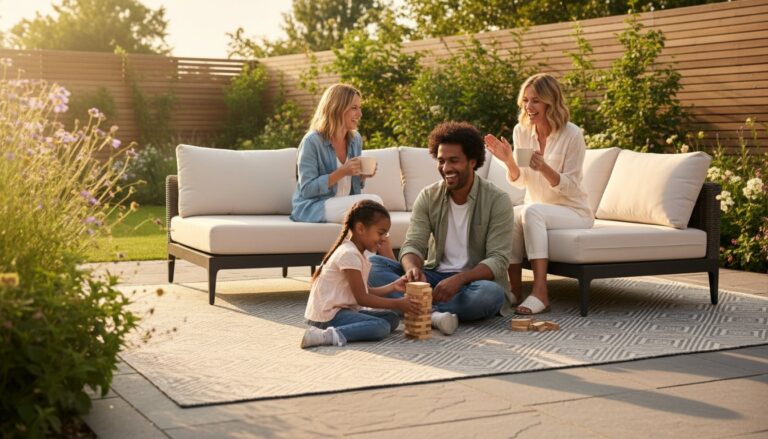
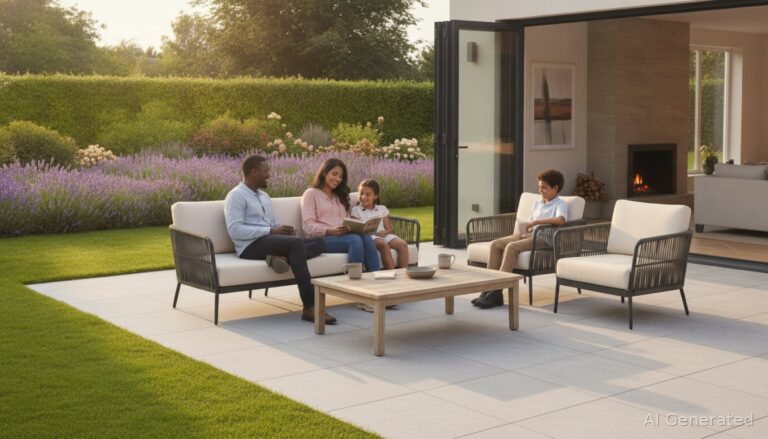
Start with habits you already enjoy or would realistically make time for. If you’d like somewhere to talk or relax, a garden sofa set may suit better than a dining arrangement. If eating outdoors is the priority, a dining set gives meals a clear focus. In a larger garden used by family or guests, either option may help define a dedicated area. Once you’ve agreed that lounging is a shared priority, explore Rengard’s outdoor sofa sets.
Write down the uses you both support, then separate regular routines from occasional possibilities. A realistic shortlist should reflect how you expect to use the garden, not an idealised version of it.
Make the space part of the discussion
Measure the area you have in mind and note nearby doors, paths, planting and other features. Then consider the layout together: where will people sit, and can everyone move through comfortably? Agreeing on these details first can help you rule out arrangements that would make the garden feel crowded.
If space is limited, a bistro set may provide a compact place for a drink or meal without requiring a larger lounge or dining arrangement. A small patio guide can offer further layout ideas if that’s a genuine concern. For broader selection advice, use a garden furniture buyer’s guide to compare options against your agreed priorities.
Keep the case shared and specific: “We both want somewhere to eat outside, and this area could accommodate it” is more useful than “We need a new set”. Then compare furniture suited to that use and the space you’ve measured.
Compare garden set options and materials against both partners’ priorities
With your intended use and available space in mind, compare a few suitable options rather than browsing without direction. A shared checklist can keep the discussion balanced: note the main use, preferred look, space available and material for each option. This makes it easier to see where your priorities align and where you may need to compromise.
Compare furniture by use, space and material, then choose the option that best fits the priorities you share.
Choose a furniture type that fits your shared plans
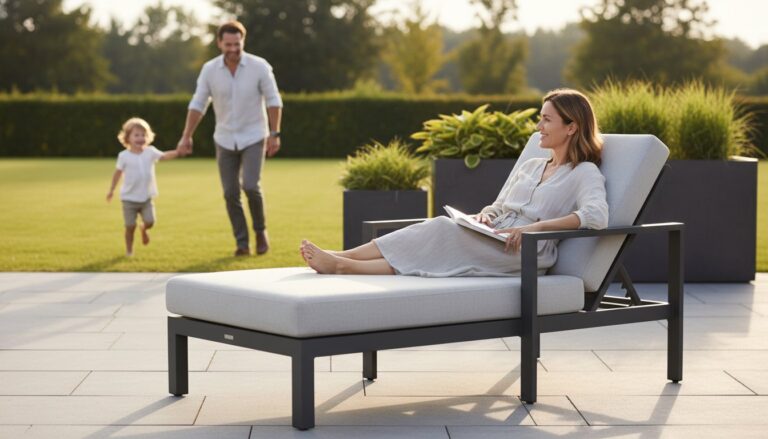
Let the activity guide the furniture type. Garden sofa sets and corner lounges create a relaxed seating area for conversation and unwinding. If eating outdoors is the priority, a dining set gives meals a practical focus. For a compact patio or balcony, a bistro set may suit the space better than a larger arrangement. Explore outdoor sofa sets if a shared lounge area is high on both your lists.
Use these prompts to compare options together:
- Shared use: Is the set primarily for lounging, dining or occasional hosting?
- Preferred look: Do you both favour a contemporary silhouette, a woven finish or a mix of materials?
- Available space: Will the furniture fit without obstructing doors or the usual route through the garden?
- Material: Which frame, weave or surface suits your preferences and concerns about UK weather?
If one person prefers a sofa set and the other favours dining furniture, return to the routines you agreed matter most. A corner lounge may suit a garden where relaxing together comes first; a dining set is more aligned with regular outdoor meals. Neither is automatically the better choice. The right fit depends on how you’ll both use it.
Compare materials and comfort without making assumptions
Material names can help narrow the shortlist, but compare them in context rather than assuming one is best. Rengard’s listed options include rust-free aluminium frames and finishes in rattan, rope weave, teak or composite. Consider which look you both prefer and how the specific materials address your concerns about the British climate.
For cushioned seating, Rengard lists quick-dry, UV-resistant fabrics. Check the details for the furniture you’re considering, and compare comfort and finish together rather than relying on assumptions about care or performance.
A garden furniture buyer’s guide can provide a broader materials overview. Use it to prepare questions, then discuss which features matter to both of you. If you’re focused on convincing my partner on a new garden set, a concise comparison you’ve both agreed on is more useful than a long list of products.
Address the main objections with a practical garden-set shortlist
A garden set should answer a shared need, not be chosen for appearance alone. If your partner is unsure it will be useful, return to how you expect to use it and whether the furniture fits the space. A shortlist based on agreed priorities is easier to assess than a stream of attractive but unrelated options.
Respond to concerns about usefulness, weather and upkeep
Ask what would make the furniture feel worthwhile to both of you. It might be somewhere to sit together after work, a place to share meals outdoors or seating for occasional visits. If neither of you can name a likely use, that’s a reason to pause rather than push ahead.
For weather concerns, focus on the product information. Rengard’s garden furniture is designed for rain, sun and seasonal temperature changes in the UK climate. Listed features include rust-free aluminium frames and quick-dry, UV-resistant cushion fabrics. These details can help you compare options, but don’t assume they mean furniture can be left exposed in every condition or needs no care. Check the care information for each set before deciding whether its upkeep suits your expectations.
Keep the discussion practical: “Would this work for the way we use the garden, and are we comfortable with the care it needs?” This leaves room for a clear answer without turning the purchase into a test of who is right.
Keep the shortlist manageable and fair
Agree your criteria before looking at individual styles or finishes. You might prioritise everyday use, a suitable layout, a look you both like and materials that address your weather concerns. Then compare a small selection against those points instead of judging each option by appearance alone.
If your preferred uses differ, include more than one furniture type. For example, compare a garden sofa set for relaxed seating with a dining set for outdoor meals, provided both suit the space. Remove any option that doesn’t meet your shared criteria. That narrows the choice and shows you’re making the decision together.
- Use: Does it support an activity you both expect to enjoy?
- Space: Can it sit comfortably without obstructing access?
- Weather: Do its stated materials and features address your concerns?
- Upkeep: Have you checked product-specific care information?
If you’ve agreed on your priorities but would like to discuss suitable garden furniture options, talk through your garden furniture options.
Agree on the next step and choose a garden set together
A confident choice doesn’t require one partner to win the discussion. Return to the needs you’ve identified together, review the shortlist against them and decide whether an option genuinely works for your outdoor space. Instead of focusing on convincing my partner on a new garden set, ask a more useful question: which, if any, of these options suits us both?
Turn your shared criteria into a confident choice
Before proceeding, revisit the details you agreed matter: intended use, available space, preferred style and material priorities. Then check the specific set against each point. Does it suit the activity you both have in mind? Will it fit without making access awkward? Do you both like its appearance and feel comfortable with the product information about its materials?
If the answers are clear, you can move forward knowing the choice reflects a shared decision. If important priorities still conflict, pause and reconsider. Taking more time is preferable to pressuring your partner into an immediate yes.
Explore relevant options with support
Once you’ve agreed on the type of furniture, look at options in that category instead of reopening every decision. If relaxed outdoor seating is the shared plan, browse outdoor sofa sets. If eating together outside is the main use, compare garden dining sets. Neither category is right for everyone; let your routines and available space guide the choice.
Some couples find it helpful to see garden furniture in person before settling on a style or finish. The Rengard showroom is an option if you’d both like to explore furniture face to face. Rengard also offers free delivery and assembly in mainland UK, which may be useful to factor into your practical planning.
Before confirming, review the shortlist together. Check the relevant product details, make sure the choice still meets your shared criteria and agree on the next step. A calm decision is a good outcome, even if it means waiting until you’re both ready.
If you’d like to discuss your requirements, contact Rengard to discuss your garden furniture needs.
Make your next garden-furniture choice together
A shared decision starts with listening. Agree how you’d like to use the garden, check what fits the space, then compare a considered shortlist against your priorities for style, comfort and materials. If convincing my partner on a new garden set has felt difficult, shift the conversation from persuasion to practical shared needs to make the next step clearer.
For the UK climate, consider product details such as rust-free aluminium frames and quick-dry, UV-resistant cushion fabrics. Rengard’s garden furniture is designed for rain, sun and seasonal temperature changes, but check the care information for the specific set you’re considering. Take your time, revisit any concerns and proceed only when the choice feels right to both of you.
Ready to discuss options that could suit your shared space and plans? Contact Rengard to discuss your garden furniture needs. Talk to Rengard about the garden furniture that fits your shared plans and space.
Frequently Asked Questions
How do I convince my partner to buy a new garden set?
Start with a conversation about how you’d both use the garden, rather than trying to sell a particular set. Ask what feels missing from the space, listen to any concerns and agree on shared priorities such as relaxing or dining outdoors. Then compare a shortlist against your available space, preferred look and material preferences. If you’re thinking about convincing my partner on a new garden set, keep the decision open and pressure-free.
What if my partner thinks a garden set is unnecessary?
Ask what makes the purchase seem unnecessary, then consider whether a set would support a routine you both genuinely value. For example, would outdoor seating make it easier to sit together, or would a dining set suit meals you already enjoy outside? If neither of you can identify a realistic use, it may be better to wait. A garden set should meet a shared need, not be chosen for appearance alone.
How can we choose a garden set when we like different styles?
Agree on practical criteria before comparing colours, finishes or shapes. First settle on the intended use, available space and materials you’re comfortable with. Then look for options that meet those shared requirements, even if each partner has a different favourite detail. You could also compare more than one furniture type, such as a lounge arrangement and a dining set, if your preferred uses differ.
Is a garden set suitable for the British climate?
It can be, provided you check the product information and choose furniture designed for UK conditions. Rengard’s garden furniture is designed for rain, sun and seasonal temperature changes. Listed features include rust-free aluminium frames and quick-dry, UV-resistant cushion fabrics. These attributes can help you assess an option, but check the care guidance for the specific set rather than assuming it can be left exposed in all conditions or needs no maintenance.
How do we know what type of garden set to choose?
Let the main shared activity guide you. Garden sofa sets and corner lounges suit a relaxed seating area, whilst dining sets are designed around eating outdoors. Bistro sets can work well where a compact arrangement better fits the patio or balcony. Compare likely use with your available space and preferred style, then check the specific furniture details before deciding. Choose the category that fits your shared plans.
Can a garden set work in a small patio?
Yes, a smaller outdoor space can still accommodate seating if you choose a layout that leaves room to move. Measure the area and consider doors, paths and existing garden features before comparing options. A bistro set may suit a compact patio better than a larger lounge or dining arrangement. Check the furniture dimensions against your measurements, and agree together how much of the space you want it to occupy.
How can we agree on a budget for garden furniture?
Discuss the amount you’re both comfortable spending before browsing, and agree how the purchase fits with other household priorities. Compare options within that shared limit, considering intended use, materials and product details rather than appearance alone. Check current prices for the specific sets you’re considering instead of relying on assumptions about typical costs. If you can’t agree on a suitable amount, pause and revisit the decision together later.