
Choosing the Best Outdoor Furniture Materials for UK Gardens
Choosing the right outdoor furniture materials for your garden or patio is one of the most important decisions you’ll make when designing your space. In the UK, where the climate can swing from mild summers to wet, chilly winters, the wrong choice can mean fading, warping, or rusting within just a few seasons. However, the right choice can give you decades of enjoyment, blending durability with timeless style.
This guide explores the strengths and weaknesses of popular outdoor furniture materials, from classic teak to modern recycled plastics, so you can make an informed investment. We’ll cover climate considerations, design trends, maintenance tips, and even future material innovations—perfect for homeowners and garden enthusiasts seeking premium solutions.
In 2025, outdoor furniture is no longer just about weather resistance—it’s about creating multifunctional spaces that feel as inviting as your living room.
— FCI London Design Team
Understanding UK Climate Challenges for Outdoor Furniture Materials
The UK’s weather pattern—wet winters, occasional frost, and mild summers—means outdoor furniture materials must handle moisture, temperature swings, and UV exposure. Untreated softwoods, for example, may look charming initially but often rot within a few years. Meanwhile, metals like steel can rust if not properly coated.
A significant challenge is the unpredictability of rainfall, which can be heavy even during summer months. Therefore, drainage design and water-resistant finishes are essential. Frost can cause micro-cracks in certain materials, leading to structural weaknesses over time. Additionally, UV exposure, while less intense than in tropical climates, still contributes to fading of fabrics and surface coatings, particularly in south-facing gardens. Homeowners should consider not only the durability ratings but also the comfort during temperature extremes—metal seats can feel cold in winter and hot in summer, while certain plastics may soften under direct heat.
| Material | Durability in UK Climate | Maintenance Level |
|---|---|---|
| Teak Wood | Excellent – up to 50 years | Low |
| Cast Aluminum | Excellent – rust-proof | Low |
| Synthetic Rattan | Good – 7-10 years | Medium |
| Recycled PET Plastic | Good – 10-15 years | Low |
| Softwood | Poor – 3-5 years | High |
Choosing materials that match the UK’s conditions is not just about longevity—it also affects comfort, aesthetics, and maintenance costs over time. For example, investing in a material with inherent resistance to moisture may mean fewer treatments and coatings over the years, saving both time and money. Similarly, selecting UV-resistant fabrics and finishes can help maintain vibrant colours and polished appearances well beyond the average lifespan.
Teak: The Timeless Premium Outdoor Furniture Materials Choice
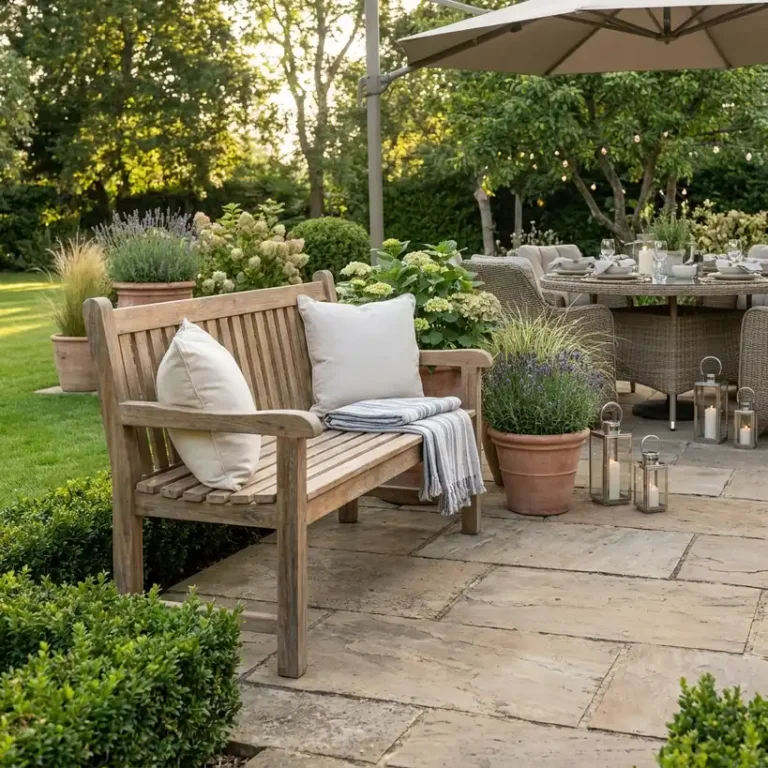
Teak wood remains the gold standard for luxury outdoor furniture materials. Its natural oils resist rot, insects, and moisture, allowing it to withstand decades outdoors without losing structural integrity. While the upfront investment can be high, teak’s lifespan—often exceeding 50 years with proper care—makes it cost-effective over time.
Teak develops a silver-grey patina when left untreated, which many find attractive. Alternatively, you can maintain its golden hue with annual oiling. It’s perfect for premium dining sets, benches, and statement pieces that blend traditional elegance with modern durability. The dense grain of teak means it resists warping and splitting, even under prolonged exposure to rain or frost. In addition, teak’s weight gives it stability in windy conditions, a practical consideration for exposed gardens or coastal areas. Many heritage estates and public parks in the UK feature teak benches that have stood for decades with minimal intervention, proving its enduring value. However, sustainability is an important factor—look for FSC-certified teak to ensure responsible sourcing and forest preservation.
The best materials balance indoor comfort with outdoor durability. Combining light profiles with weatherproof performance is the future of garden furniture.
— Antonio Citterio
Cast Aluminum: Stylish and Low-Maintenance Choice for UK Gardens
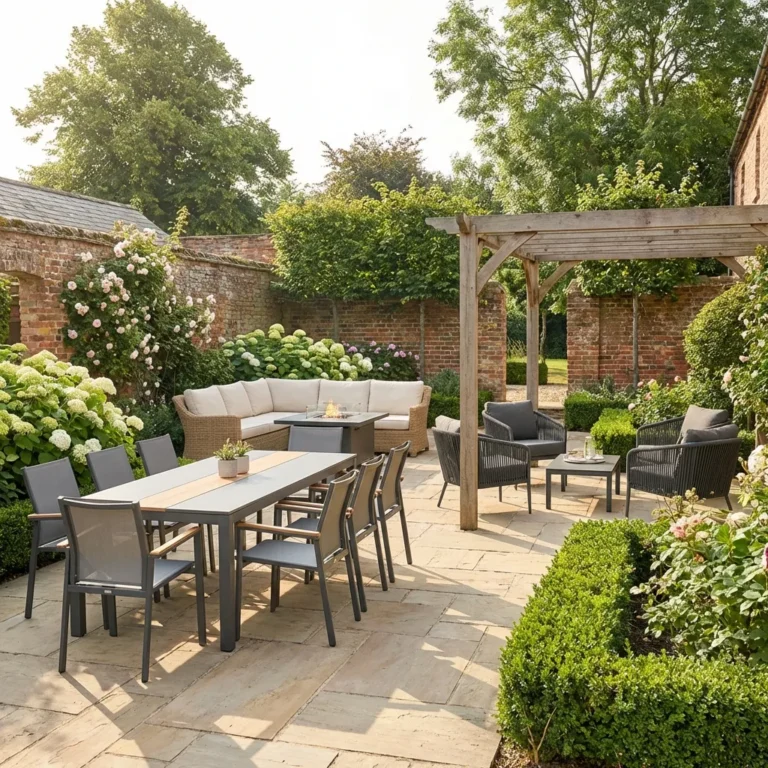
Cast aluminum is a standout for UK gardens—lightweight, rust-proof, and resistant to warping from temperature changes. It can be crafted into ornate designs or sleek modern frames, making it versatile for different garden aesthetics.
Unlike steel, cast aluminum does not rust, and its powder-coated finishes resist chipping and fading. It’s ideal for tables, chairs, and decorative pieces that need to withstand the elements with minimal upkeep. Its light weight makes it easy to rearrange furniture layouts, while still offering enough sturdiness to stay in place during gusty weather. Many contemporary collections incorporate cast aluminum with glass or ceramic tabletops, producing a refined yet functional look. Maintenance typically involves little more than an occasional wash with soapy water to remove pollen, bird droppings, or airborne grime. For those seeking longevity with minimal effort, cast aluminum is a particularly appealing choice—especially in urban gardens where space and storage might be limited.
Synthetic Rattan Designs: Casual Comfort with Modern Resilience
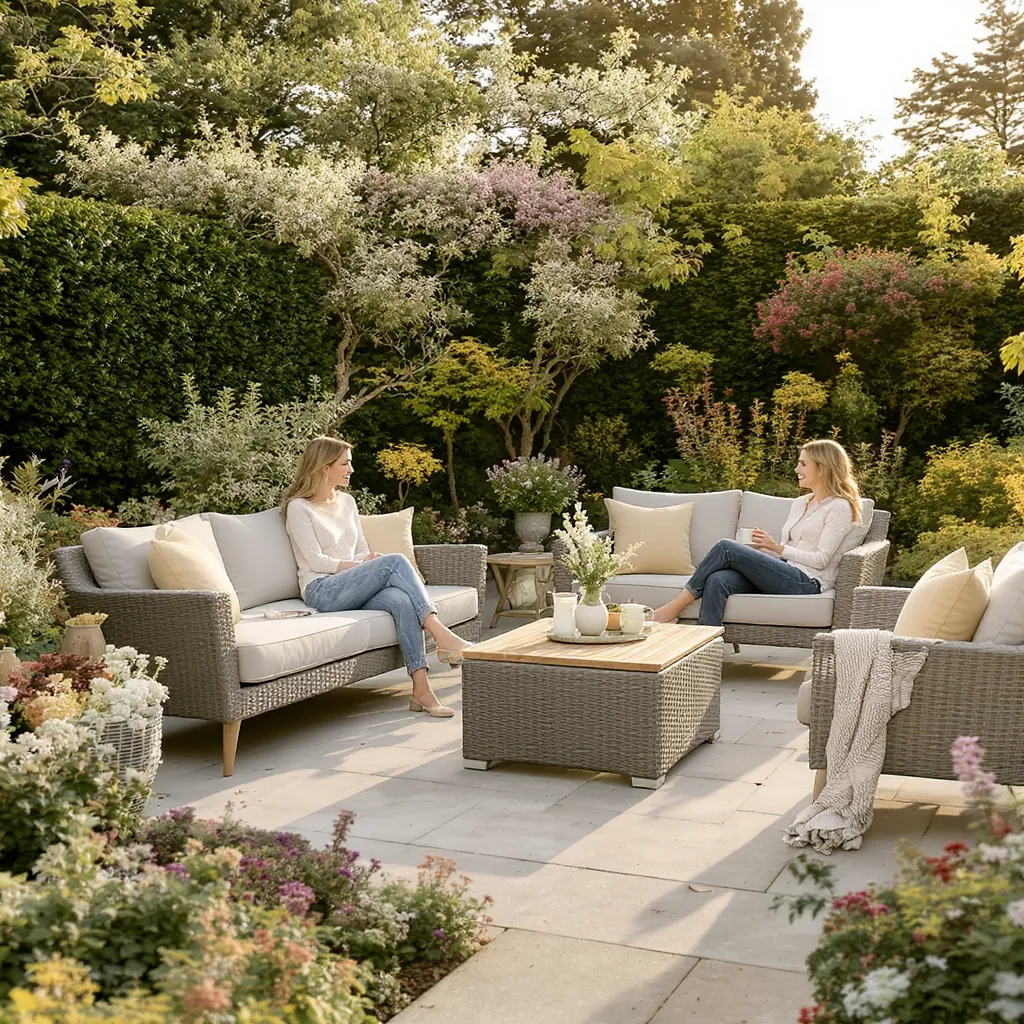
Synthetic rattan (or wicker) offers the charm of traditional woven designs with improved weather resistance. Made from polyethylene or resin, it resists moisture and UV damage, making it a great choice for lounge sets and casual seating areas.
While its lifespan may be shorter than teak or cast aluminum, high-quality synthetic rattan can last 7–10 years in UK conditions. Look for UV-stabilised varieties to prevent fading, and store cushions indoors during wetter months for maximum longevity. Synthetic rattan is lightweight, making it easy to reposition for seasonal changes or social gatherings. Additionally, the weave allows for breathability and comfort during warmer days, preventing the “sticky” feeling associated with some solid materials. It’s available in a wide range of colours and weave patterns, enabling homeowners to match it with both rustic and modern garden styles. However, budget versions may use thinner strands or lower-grade resin, which can crack over time—so investing in reputable brands pays off in performance.
Recycled PET Plastic: Sustainable and Durable Garden Furniture
Eco-conscious buyers are increasingly turning to recycled PET plastic furniture. Derived from recycled bottles, this material is fade-resistant, low-maintenance, and surprisingly comfortable when paired with quality cushions.
It’s a modern choice for casual seating, outdoor rugs, and accessories, offering durability of 10–15 years while reducing environmental impact. Designs range from minimalist to vibrant, fitting well into contemporary garden spaces. PET plastic is not prone to rot, rust, or insect damage, making it particularly well-suited to damp UK climates. Its lightweight nature allows for flexible use, such as modular seating arrangements that can be reconfigured to suit events. Advances in manufacturing mean recycled plastics can now mimic the texture and appearance of wood grain, broadening aesthetic possibilities. Choosing PET plastic also supports circular economy principles, diverting waste from landfills and reducing reliance on virgin materials.
For additional sustainable garden inspiration, see our guide on transforming your outdoor space.
Rope and Mixed-Material Designs for Outdoor Living
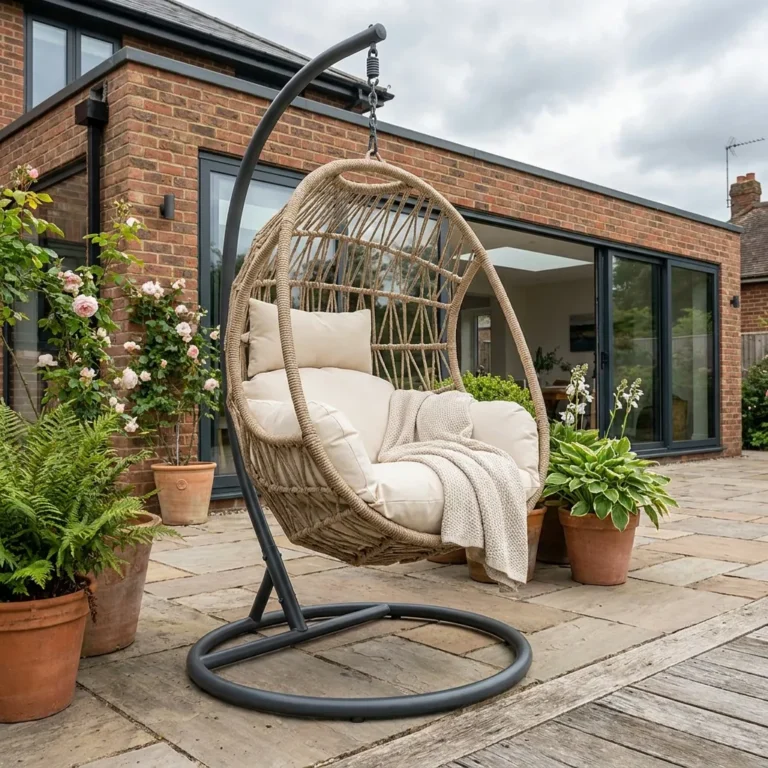
Rope made from polypropylene or olefin is emerging as a tactile, stylish material in outdoor furniture. Often combined with teak or aluminum frames, rope seating offers softness without sacrificing durability.
These mixed-material designs bring indoor comfort outdoors, aligning with the trend towards multifunctional garden spaces. They also allow for creative colour combinations and textures, enhancing visual interest. Rope’s flexibility means it can be woven into intricate patterns, providing ergonomic support while adding a handcrafted feel. Weather-resistant rope resists mildew and maintains its colour even after prolonged sun exposure. When paired with sturdy frames, rope seating delivers both comfort and resilience, making it ideal for accent chairs, loungers, or swing seats. Designers increasingly mix rope with cushions in outdoor-grade fabrics for a luxurious yet casual vibe.
Comparing Pros and Cons of Popular Outdoor Furniture Materials
| Material | Pros | Cons | Ideal Use |
|---|---|---|---|
| Teak Wood | Long lifespan, natural resistance | High cost | Premium dining sets |
| Cast Aluminum | Rust-proof, lightweight | Can dent | Tables, chairs |
| Synthetic Rattan | Weatherproof, stylish | Shorter lifespan | Lounge sets |
| Recycled PET Plastic | Eco-friendly, durable | Less traditional look | Accessories |
| Rope | Soft feel, UV-resistant | Needs strong frame | Accent chairs |
Understanding these trade-offs will help you choose the material that fits your lifestyle, budget, and aesthetic preferences. For example, teak’s high initial cost is offset by its long lifespan, while synthetic rattan’s lower cost may appeal to those who enjoy changing styles more frequently. Cast aluminum offers a sweet spot between durability and low maintenance, but may require care to avoid dents. Rope adds texture and comfort but benefits from a robust supporting structure. PET plastic’s eco-friendly profile is attractive to sustainability-minded buyers, though its appearance might not suit traditional settings.
Maintenance Tips for Outdoor Furniture Materials Longevity
Even the most durable outdoor furniture materials benefit from care. Teak should be cleaned annually with mild soap; cast aluminum may need occasional touch-ups to its coating; synthetic rattan benefits from regular dusting and covering during winter; PET plastic simply needs a quick wipe-down.
Seasonal storage—either indoors or with quality covers—extends the lifespan of all materials. Investing in removable, washable cushion covers also makes maintenance easier. Avoid harsh chemicals that could degrade finishes or fibres. For rope furniture, periodic inspection ensures the weave remains taut and intact, while prompt cleaning of spills prevents staining. In coastal areas, rinsing furniture with fresh water helps remove salt deposits that can affect both metals and synthetic materials. Small preventative steps, such as placing protective pads under table legs, can also guard against moisture damage to decking or patios.
For more detailed guidance, visit our ultimate guide to outdoor furniture buying.
Seasonal Styling Ideas for Garden Furniture
Outdoor furniture isn’t just functional—it can be styled to match the season. In summer, light-coloured cushions and airy layouts encourage relaxation. Autumn calls for warm tones and weatherproof throws. Winter styling may focus on minimalism and protective covers, while spring welcomes florals and vibrant accents.
Consider adding lanterns or solar lights in summer to extend evening use, or fire pits and patio heaters in autumn to create warmth. Winter can be made more inviting with evergreen plants and sturdy furniture covers in rich fabrics. Spring is the perfect time to refresh with new cushion covers, outdoor rugs, and planters bursting with seasonal blooms. The key is to keep core furniture neutral and versatile, allowing accessories to drive the seasonal changes without costly replacements.
Future Trends in Outdoor Furniture Materials
Expect further innovation in sustainable materials, such as biodegradable composites and advanced recycled polymers. Mixed-material designs will continue to dominate, combining tactile comfort with weatherproof performance.
Smart furniture—integrating solar lighting or heating—may also influence material choices, requiring frames and fabrics that can house technology without compromising durability. Emerging coatings could offer self-cleaning properties, reducing maintenance needs. Additionally, 3D printing may enable custom designs using eco-friendly filaments, allowing homeowners to create bespoke pieces tailored to their space. As outdoor living becomes a year-round pursuit, expect to see more weather-adaptive designs that incorporate modular elements for flexibility.
For more insights, explore outdoor furniture trends 2025.
Troubleshooting Common Outdoor Furniture Issues
Fading, mould, and rust are the most common outdoor furniture complaints. Fading can be mitigated with UV-protective sprays; mould requires prompt cleaning and improved ventilation; rust can be prevented with regular inspections and touch-ups.
In synthetic materials, brittleness can occur over time—replace affected components early to prevent breakage. Loose joints in wooden furniture can be tightened with appropriate hardware, while dents in metal pieces may be repaired by professionals. Addressing small issues quickly not only preserves appearance but also prevents safety hazards. Using breathable covers can reduce moisture accumulation and discourage mould growth.
Summary Insights on Outdoor Furniture Materials
Choosing the right material is about balancing durability, design, and maintenance. Teak and cast aluminum excel in UK conditions, synthetic rattan offers casual charm, PET plastic brings sustainability, and rope adds tactile appeal.
By aligning material choice with climate resilience, lifestyle needs, and design preferences, homeowners can ensure both comfort and long-term value. This balance allows for outdoor spaces that remain inviting and functional across all seasons, minimising replacements and maximising enjoyment.
Conclusion: Making the Best Choice for Your Garden
In the UK’s variable climate, investing in premium materials like teak, cast aluminum, and synthetic rattan ensures your outdoor furniture remains stylish and functional for years. Match your choice to your lifestyle—whether you prioritise sustainability, low maintenance, or timeless elegance.
By understanding each material’s strengths and limitations, you can create an outdoor space that’s as inviting as your living room, ready for every season. Remember that even the finest materials benefit from consistent care, and that thoughtful styling can refresh your garden without major expense. For homeowners and garden enthusiasts, the takeaway is clear: choose wisely, care consistently, and your outdoor furniture will be a source of enjoyment for decades.
External references:
- Learn more about FSC-certified teak standards for sustainable sourcing.
- Explore aluminum powder coating technology for weather-resistant finishes.
3 Comments