Teak Bench Buying Guide for UK Gardens
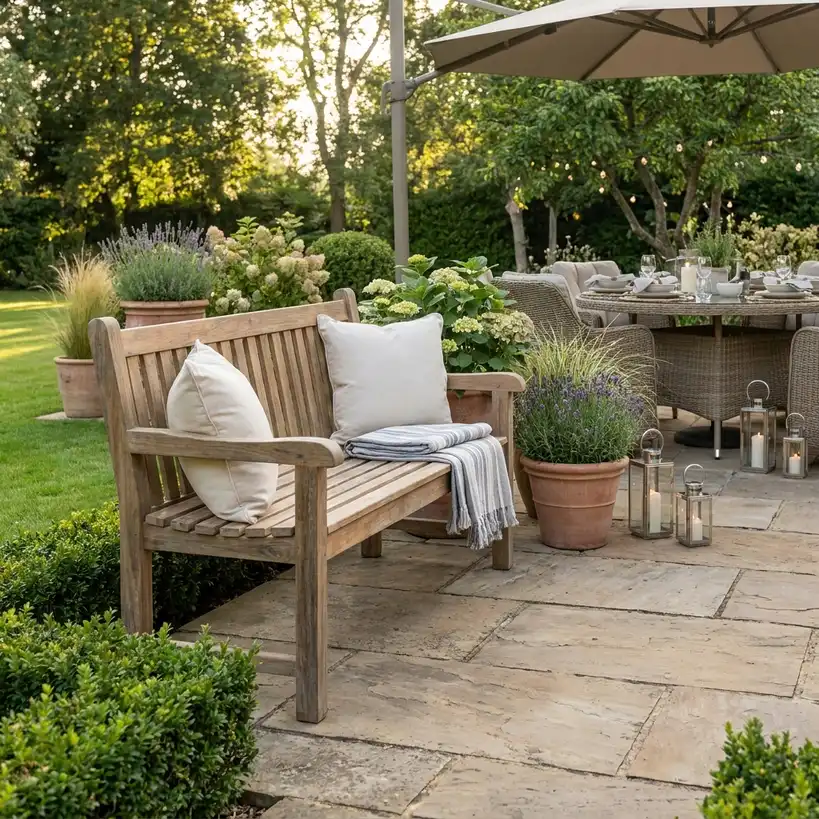
A teak bench can really change the feel of a garden. It gives you a calm spot to sit, read, or enjoy a morning coffee, which is often a good way to judge any bench. It can also add shape and warmth to a patio, along the edge of a lawn, on a balcony, or beside a front path. Still, not every bench sold as teak is the same. In the UK, rain, frost, damp air, and strong summer sun can really test any piece of garden seating UK buyers bring home, so it helps to know what you’re paying for before you buy.
This guide explains how to choose a teak bench that looks good and lasts for years. It covers teak furniture grades UK buyers should know, the signs of a well-made teak bench, the difference between teak vs acacia UK shoppers often look at, and simple teak bench maintenance UK homeowners can follow without too much effort. It also looks at how to match bench size to the space, which comfort features usually matter most, and why teak remains one of the best wood for garden benches. For anyone looking for quality outdoor furniture that feels like a long-term investment, this guide will help them choose with confidence.
Why teak bench works so well in UK gardens
Teak has a strong reputation for good reason. Its natural oils and dense fibres help it handle moisture, rot, and everyday weather better than many other woods, which matters a lot in real garden use. In the UK, where rain is common and winters can be harsh, that can make a real difference. A durable outdoor bench UK homeowners can rely on needs more than a nice surface finish. It needs a strong core material that keeps performing through damp autumns, cold winter weather, and regular use in the garden.
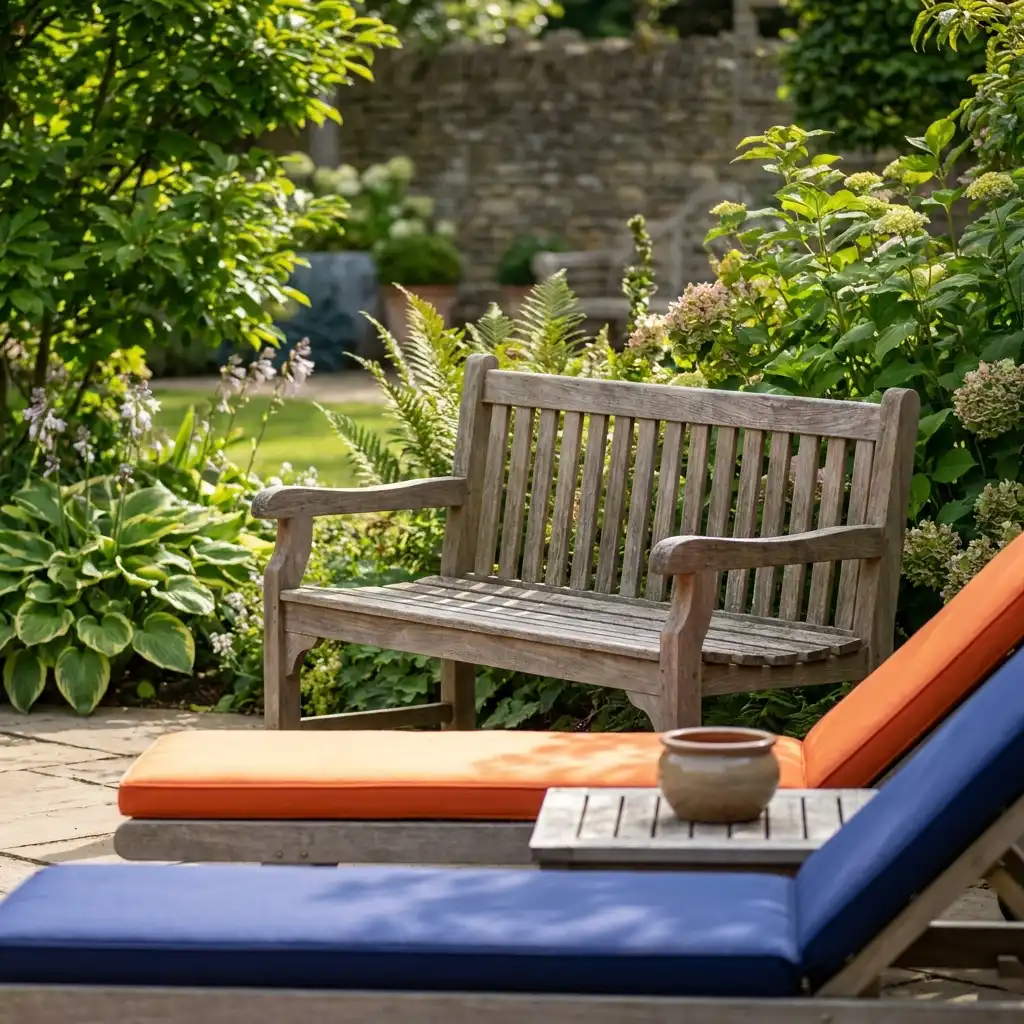
Many buyers choose teak because it ages well over time. Fresh teak starts with a warm golden colour. If it is left untreated, it slowly changes to a soft silver-grey, and both finishes usually look great in a garden setting. Since both are popular, it gives people a choice without adding a lot of maintenance. For many, that is a big part of the appeal.
When people compare materials for quality outdoor furniture, teak usually stands out in a few key ways.
| Feature | Teak | Acacia | Softwood |
|---|---|---|---|
| Weather resistance | High | Medium | Low to medium |
| Expected lifespan with care | Very long | Moderate | Shorter |
| Maintenance needs | Low to moderate | Moderate to high | High |
| Luxury feel | Premium | Mid-range | Basic to mid-range |
Teak gives a solid mix of looks, strength, and lower upkeep. That balance is probably a big reason it remains so popular in UK gardens. There is also more on teak’s wider benefits for outdoor spaces here: Why Teak Is the Best Material for Garden Furniture in the UK.
How to spot a quality teak bench
A teak bench UK shoppers can trust often shows its quality in the small details. Start with the wood itself, because those details can tell you a lot. Clear information about the grade is a good sign. Grade A teak usually comes from the mature heartwood of the tree, which is known for its strength and high natural oil content. This is the most durable part of the wood. It is also the type outdoor teak furniture UK buyers often pick when they want something that will last for years. Lower grades, on the other hand, may include more sapwood. That wood is lighter, less dense, and usually does not handle weather as well, especially in wet conditions.
The build matters too. A solid teak bench should feel sturdy and well made, not light or wobbly. Good joinery is another good sign. Mortise-and-tenon joints, dowels, and strong stainless steel fittings all suggest better long-term outdoor use. Thin slats, rough edges, or visible gaps usually point to lower quality. You should also ask a few practical questions before buying:
What teak grade is used?
If the seller dodges the question, that’s usually a reason to be careful. Good makers usually explain their teak furniture grades UK range clearly, so you know exactly what you’re getting.
Is the bench fully solid wood?
Some benches use teak with cheaper materials, which is pretty common. That helps keep the cost down, but in many cases it can also shorten the bench’s life.
Are fittings weather resistant?
Metal parts should usually resist rust, at least most of the time. Stainless steel is a good choice, and it works really well on a patio bench in UK outdoor weather.
Does the design fit the setting?
A deep, curved bench can work really well on a large lawn, where it usually has enough room around it. On a balcony or small terrace, though, a slimmer bench with a straight back is probably a better fit when space is tight. In small spaces, that difference often matters more in everyday use.
And if premium styling and lasting materials are part of the plan outdoors, Rengard trendy outdoor furniture is one example of a brand that matches the growing demand for refined, weather-ready outdoor living.
Teak vs acacia UK buyers often compare
Acacia is one of the most common alternatives to teak. It can look attractive, and it often does, while usually costing less at the start, so it’s easy to see why UK buyers compare the two so often. But that lower upfront price can sometimes hide bigger differences after a few seasons.
Teak is usually denser and naturally richer in oils. In wet UK conditions, that often helps it cope with damp weather more reliably. Acacia tends to need more regular sealing and a bit more care to help reduce cracking, fading, or surface wear. Basically, it needs more upkeep. In a covered spot, acacia can work well and still look good. In an open garden facing British weather all year, though, teak often has the edge, especially when it stays outside year-round.
The right option really depends on what the space is for. If the goal is to style it for a few seasons and keep the starting cost lower, acacia may be a sensible choice. If the aim is a teak garden bench that keeps its appeal for many years and doesn’t ask as much in return, teak is often the better investment. That is usually the clearest way to look at the choice.
Here’s a simple way to think about the teak vs acacia UK decision:
- Choose teak if you want long life and a premium feel, with less upkeep over time.
- Choose acacia if a lower starting price matters more, especially for occasional use in sheltered spaces.
One common mistake is choosing based only on colour or price. Wood furniture is more than decoration; it is also a material choice that affects performance. So if a bench will sit on an exposed patio, near planting, or beside a damp lawn edge, durability often matters just as much as appearance. In most cases, that is what makes the biggest difference over time.
For deeper comparisons of regional furniture trends, see Regional Guide: Best Garden Furniture Styles for Cheshire Homes, which explores styles that pair well with traditional teak pieces.
Choosing the right teak bench size, style, and placement
A beautiful teak bench can still disappoint if the size is wrong. Before shopping, measure the space and think about how the bench will really be used. Is it for one person reading in a quiet corner, which many people underestimate? For two people on a patio? Or is it mostly a decorative focal point at the end of a path, where it will be seen and noticed often?
In smaller outdoor spaces, slim profiles usually make the most sense. Urban buyers looking at garden seating UK options for balconies or narrow terraces should probably choose compact lengths and open arm designs. Slightly raised backs can help too, especially in tight spots, because they do not block the view as much. A bench around 120cm will often suit two people without taking over the area, which is usually the goal in a smaller setup.
In larger gardens, a 150cm to 180cm teak bench has more presence. It can sit against a wall or face a lawn, and that often looks balanced. It also works well with planters if the goal is to frame a seating zone, which can make the layout feel more intentional. Some people add a teak bench to a mixed seating layout with dining chairs and loungers, and in most cases that gives a bit more flexibility.
Think about these placement tips:
Put it where you’ll really use it
The best bench usually isn’t in the prettiest spot, honestly. Sometimes it’s not even nearby. It belongs where it fits your daily routine and where you’ll actually sit and use it.
Allow room around it
Leave enough space so you can walk behind the bench or along the side, because it really helps. Tight layouts can make even luxury furniture feel awkward, which isn’t ideal.
Consider sun, shade, and surface
Teak usually holds up well outdoors, so it’s a good choice for outside use. A bench also tends to feel more comfortable when it sits on a stable, level base, and that often makes a real difference, especially when there’s a good balance of sun and shade.
For a compact outdoor layout, Maximizing Space: Modular Outdoor Furniture for Small Gardens offers useful ideas that can work nicely with a bench-led setup, especially in smaller spots. Additionally, regional examples of durable setups appear in Staffordshire Gardens with Durable Outdoor Furniture.
Teak bench maintenance UK homeowners should know
One reason teak stays so popular is that it’s easy to care for. Low maintenance doesn’t mean no maintenance, though, and that’s usually the bit worth keeping in mind. A little care now and then helps protect the look of the wood and can often help it last longer too.
If you want the natural silver-grey finish, teak can mostly be left to age on its own, which keeps things simple. Clean it once or twice a year with mild soapy water and a soft brush to remove dirt, pollen, and bird mess. Then rinse it well and let it dry fully.
Prefer the warmer golden colour instead? If so, a teak protector is usually a better option than a heavy oil. Too much oil can lead to uneven colour and may also attract grime. Many experts now recommend protectors because they can help slow fading and stop the wood from getting too dark or sticky.
Avoid these common mistakes:
- Pressure washing from too close, as this can damage the surface
- Covering damp wood for long periods without airflow
- Using harsh bleach cleaners
- Sanding new furniture too heavily
Winter often needs a little extra care, especially during wetter weather. Wet debris and fallen leaves should not be left sitting on the bench for weeks. Using a cover? A breathable one is the better choice. For more seasonal advice, it’s covered here: Winter Garden Furniture Maintenance UK Tips for 2026. For broader maintenance guidance, see The Ultimate Seasonal Outdoor Furniture Maintenance Checklist.
Sustainability, value, and what premium buyers should ask
Affluent buyers often look beyond the ticket price. They are usually looking for craftsmanship, responsible sourcing, and something that genuinely feels worth keeping. That is where teak can offer real value, I think, especially when the wood comes from responsibly managed forests, which is a major part of its appeal. One useful question is where the teak is sourced, and whether the supply chain is transparent. A well-made bench with ethical sourcing and solid construction can last for many years, often much longer than cheaper alternatives.
That brings a sustainability benefit too. Choosing one excellent teak bench instead of replacing lower-grade furniture every few seasons can reduce waste over time. For environmentally conscious households, longevity is often a practical part of responsible design. It means choosing something that stays useful and attractive instead of sending worn furniture to landfill. It sounds simple, but in practice it is easy to overlook.
There is also a clear change in outdoor living. More UK homeowners now treat patios and gardens as real living spaces rather than seasonal extras. As a result, furniture choices are becoming more thoughtful. Buyers want outdoor teak furniture UK collections that feel as refined as indoor pieces, while still standing up to rain, temperature changes, and everyday use.
When comparing options, it helps to think about cost per year rather than only today’s price. A premium teak garden bench may cost more upfront, but over a decade or longer, it can often turn out to be the smarter purchase, in my view.
The bottom line for your next garden bench
A teak bench is more than just a place to sit. It often becomes a lasting part of an outdoor space, which is likely why people keep coming back to it. The right bench adds comfort and structure, and it can help a garden, terrace, or balcony feel calm and settled. In the UK, where the weather can change fast, sometimes within a single afternoon, teak remains one of the best woods for garden benches because it combines strength, beauty, and fairly easy care.
When shopping, it helps to keep your attention on the basics that matter most. Start with the simple things. You will want to check the teak grade and look for a solid teak bench with strong joinery and weather-resistant fittings. Size matters as well, so match the bench to your space and to how it will actually be used, whether that means a small balcony, a place along a garden path, or a spot on the terrace by the table. It is also worth thinking honestly about whether you prefer the warm look of new teak or the softer silver-grey finish that usually comes with age. If you’re comparing teak vs acacia UK options, it’s worth considering long-term value too, not just the starting price.
Good garden furniture should feel easy to live with, not difficult. When the choice is a good one, a teak bench UK purchase can last for many years and usually needs very little upkeep, which is a real plus for everyday outdoor living. So take your time, ask smart questions, and buy for the kind of outdoor life you really want to enjoy.