Eco-Friendly Furniture: Sustainable Choices for Outdoors
Choosing outdoor furniture used to be simple. People picked pieces that looked good and hoped they would hold up in the weather. Now buyers want more: beauty, comfort, durability and options that are better for the planet. Eco-friendly furniture meets those needs.
The good news is that sustainable outdoor design no longer means giving up style. Many of the best luxury garden pieces now use sustainable materials such as FSC-certified teak, recyclable aluminium, recycled plastics and long-lasting performance fabrics, while still looking polished and feeling right for everyday outdoor use.
That matters even more when someone is spending money on a garden dining set, a balcony bistro table or a larger lounge area that needs to last for years. In this guide, buyers can learn which materials are really worth paying for, how to balance durability with sustainability, what works best in smaller spaces and how to avoid common buying mistakes. It also explains why brands such as Rengard trendy outdoor furniture put so much focus on weather-ready craftsmanship, low-maintenance finishes and responsibly chosen materials for modern outdoor living.

Why eco-friendly furniture now means durability first
The outdoor market has changed in a big way. Buyers now see sustainability as more than labels. They also care about how long a piece lasts. If a cheap set needs replacing every few years, it creates more waste and can cost more over time.
Recent market data shows how fast this category is growing. The global eco-friendly furniture market reached USD 53.77 billion in 2025 and is expected to keep growing strongly through 2033. At the same time, the global outdoor furniture market reached USD 52.96 billion in 2025. That’s pretty clear. Outdoor living is still a major part of home design.
| Metric | Value | What it suggests |
|---|---|---|
| Eco-friendly furniture market | USD 53.77B in 2025 | Sustainable buying is now mainstream |
| Projected eco-friendly market | USD 113.94B by 2033 | Long-term growth is strong |
| Outdoor furniture market | USD 52.96B in 2025 | Outdoor living remains a major investment area |
| Wood share of outdoor market | About 44% in 2025 | Natural materials still matter to buyers |
The numbers point to something simple. People no longer treat outdoor furniture as a short-term purchase. They want pieces that feel like part of the home, not something temporary. Industry analysis shows that the best eco-friendly furniture choices balance recyclability, climate fit, maintenance needs and lifespan. Because of that, premium buyers choose well-made teak, powder-coated aluminium and advanced recycled materials over low-cost plastic sets that crack, fade or wobble after a season.
The best sustainable materials for eco-friendly furniture
Green claims don’t always mean the same thing. Some materials hold up well on their own, while others use recycled content or can be recycled later, which may sound similar at first but isn’t. The best choice depends on your space, your climate and how much upkeep you want.
FSC-certified teak
One of the top luxury picks for outdoor living, teak handles weather and everyday wear with little fuss thanks to its natural oils. Good teak is made to last and can stay in use for decades.
If it’s left untreated, it fades to a soft silver-grey shade while staying structurally strong. For a more responsible option, look for FSC-certified teak. That means the wood comes from better-managed forests. Buyers comparing hardwood options can also read The Truth About Teak Garden Furniture UK: Durability & Care Guide.
Aluminium
For modern outdoor furniture, aluminium is a practical, sustainable option. It’s light, recyclable, and naturally resistant to rust, which makes it a smart choice. Premium designs may use powder-coated aluminium frames for extra protection. In the UK, rain and damp air can wear down weaker materials quickly, so that added protection matters. For a closer look, read how to choose the right aluminium frame garden furniture in the UK.
Recycled HDPE and recycled plastic
Recycled HDPE, made from post-consumer plastics, is a solid choice for outdoor spaces. In wet climates, it can even outlast wood over a 10-year stretch and needs very little upkeep. Pretty practical. Some all-weather wicker pieces use 100 or more recycled plastic bottles in a single item. Recycled material isn’t just a trend. It’s now part of serious outdoor design.
For more on newer material developments, see Innovative Outdoor Furniture Materials for 2026.
Performance fabrics and rope details
Sustainability also reaches the fabrics. Outdoor cushions and woven details need to resist fading, moisture and mildew, especially if a set is meant to keep looking good through many seasons outside. Solution-dyed fabrics and weather-resistant olefin materials help a set last longer.
Many premium collections pair durable aluminium frames with teak tabletops, rope weave details and removable washable cushion covers. You get style and comfort while the set stays practical for longer.
How to choose the right material for your outdoor space
The best eco-friendly furniture depends on your home. A city roof terrace needs something quite different from a big coastal garden, so it helps to start with the exact spot where the furniture will actually sit.
If your space gets heavy rain, damp air or very little winter sun, low-maintenance materials matter even more. Powder-coated aluminium, recycled HDPE and weather-resistant fabrics are smart choices because they keep looking good without needing much care. Many premium lounge sets combine rust-free aluminium frames with teak accents and washable, water-repellent cushions. That keeps the overall look polished and makes everyday ownership easier.
If you want natural texture and warmth, teak is a strong investment. It works especially well for dining tables, armrests and coffee tables because it adds visual richness to clean, modern frames without clashing with the wider design. Many luxury pieces use FSC teak details with thick tops or solid arm sections, and those touches add character while keeping the furniture from feeling plain or cold.
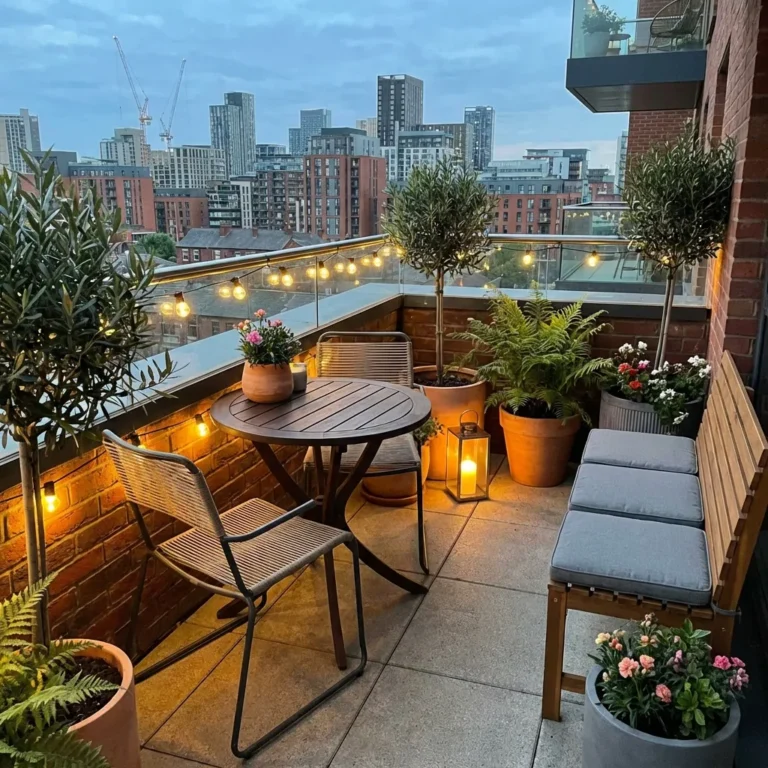
On compact balconies or patios, scale matters just as much as material. Choose slim-frame bistro sets, stackable chairs or modular seating with small footprints so the space still feels open, usable and easy to enjoy. A compact set made from durable sustainable materials can feel more luxurious than oversized furniture that crowds the area and makes it harder to relax.
Compare materials before you buy. Our guide on Weather Resistant Outdoor Furniture UK: Best Materials can help you match material performance to your weather conditions.

Common mistakes buyers make with eco-friendly furniture
One big mistake is judging sustainability by looks alone. A chair that looks natural is not always the greener choice. Cheap wooden sets can seem more eco-friendly than aluminium or recycled plastic, but if they split, warp or need replacing too soon, they can end up being the worse option over time.
Another common mistake is ignoring certifications and sourcing details. Words like ‘natural,’ ‘green’ or ‘sustainable’ can sound reassuring, but they are not always useful. When possible, buyers should check for FSC-certified wood, low-VOC finishes and clear information about where materials come from. Premium buyers especially should expect that level of transparency before they buy.
Many buyers also miss the total ownership cost. One source-backed example compared a $799 recycled lumber set lasting 30 years with three $250 sets replaced over that same period. The longer-lasting option costs more upfront, but it can offer better value and create less waste over time. That idea now shapes a big part of the wider sustainability discussion around outdoor furniture.
Maintenance trips people up too. Some buyers choose beautiful furniture, then leave it uncovered, skip basic cleaning or use harsh products that slowly wear down the finish. Even great materials last longer with a little care. Teak may need occasional cleaning. Cushions should be stored or covered during bad weather. Removable covers are a huge plus because they make upkeep a lot easier.
For a closer look at recycled options, Is Recycled Plastic Furniture Worth Buying? breaks down the pros and limits clearly.
Luxury and sustainability can work together
Sustainable outdoor furniture used to look plain or a bit too rustic. That’s changing fast. Current design trends show luxury outdoor spaces being treated as real extensions of the home, with buyers wanting clean lines, deeper seating, sculptural shapes and materials that feel solid in the hand.
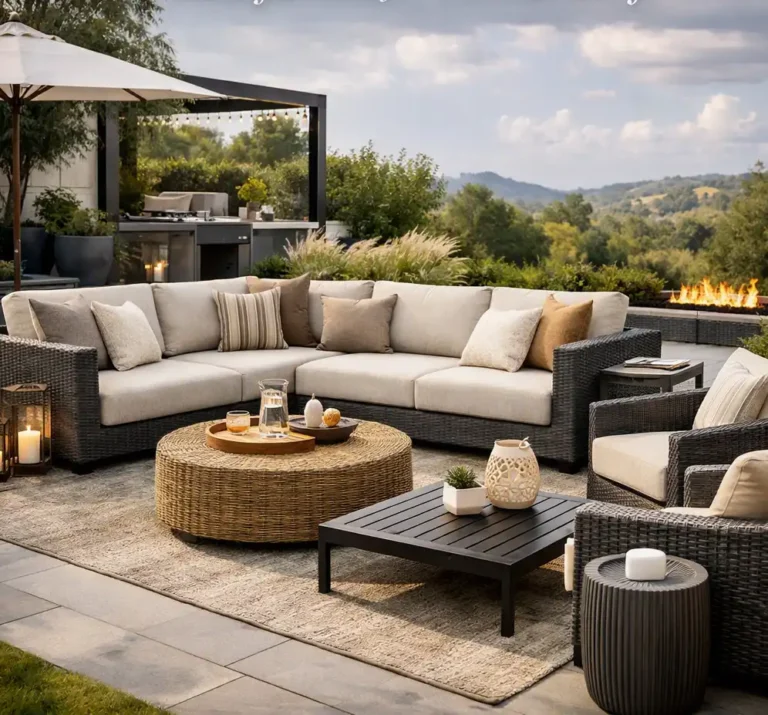
Premium construction matters here. Well-made lounge sets can combine rust-free aluminium frames with natural teak tables, thick memory foam cushions, weather-resistant rope weave and removable cushion covers that make everyday use more comfortable while helping the furniture last much longer.
It all adds up. A seat that keeps its shape and a frame that resists corrosion stay useful far longer than lower-grade options.
Search trends also show shoppers are getting more selective. Search demand for eco-friendly HDPE Adirondack chairs rose by 228.75% from January to April 2025. That level of growth suggests buyers are actively comparing materials, not just looking at colours and price tags. Buyers interested in chair construction can explore Adirondack Chair Materials Explained: A Simple UK Guide.
For affluent homeowners, true luxury now means fewer replacements, better craftsmanship and more confidence in what they’re buying. A timeless garden set that lasts through many seasons feels smarter than a trend-led piece that already looks worn after two summers.
What to look for before you invest
Before buying, go through a short checklist. Ask what the frame is made from, check whether the wood is certified, then look at cushion quality, fabric type and whether the covers come off easily for washing. Also think about how the furniture will cope with rain, sun, frost or salty sea air. Decide what suits you best: a natural patina, a finish that needs very little maintenance or something in between.
Think in layers, too. A sustainable setup is more than the main sofa or table because covers, good storage habits and smart layout choices help furniture last longer. Getting the size right for the space matters as well. A balanced layout helps reduce dragging, bumping and the everyday wear that adds up quickly.
Buy for the outdoor life you actually want. If long lunches are your thing, invest in a durable dining set. If evenings are more for reading and relaxing, choose deep seating and supportive cushions instead. In a small space, fewer pieces can work better, especially when the materials are tougher and the design is built to last.
Making your outdoor space greener for the long run
The best eco-friendly furniture isn’t about chasing buzzwords. It comes down to smart choices that last. Sustainable materials like FSC-certified teak, recyclable aluminium, recycled HDPE and long-life performance fabrics help create a space that looks elegant, feels comfortable and holds up to everyday use.
If one thing sticks, let it be this: the most sustainable outdoor furniture is the furniture you don’t need to replace. Durable pieces, low-maintenance materials and timeless design all support a lower-waste lifestyle. That matters in a big garden, on a modern terrace or on a small city balcony.
Think about the local climate, how much care the furniture will really get and how the space is actually used day to day. Then choose materials that fit. A well-built set with rust-resistant frames, responsibly sourced wood and weather-ready fabrics can do its job for years.
Buy with care and outdoor living gets simpler. Furniture works harder. The space feels better and the investment goes further over time. Good design does that. More than that, it supports a more sustainable way to live outdoors.