Garden Parasol UK: Choosing the Right Shade for British Weather
British weather often makes outdoor buying choices feel more complicated than expected, and that will not surprise many homeowners. One day, a patio needs shade. The next, it needs shelter from the wind. Then a light shower starts just as lunch is served. Because of that, choosing the right garden parasol UK homeowners can depend on involves more than colour or shape alone. It usually comes down to stability, fabric quality, patio layout, and how well the design handles everyday British weather.
A well-made parasol should provide comfort on sunny days, handle damp air, and still look smart beside premium outdoor furniture. Ease of use matters too, especially when adjustments need to be fast and simple. In some homes, a centre pole parasol is the best fit. In others, a cantilever parasol UK design gives more flexible shade over dining sets and also works well with lounge seating. What works best for smaller balconies? A tilting parasol UK model is often a practical option. Larger patios, meanwhile, often need a large garden parasol UK buyers can move, place, and adjust without too much effort.
In this patio parasol guide, readers will learn how to compare styles, understand garden parasol materials, assess UV claims, and use a practical parasol base weight guide. It also explains why aluminium is often the best frame choice for a modern patio parasol in the UK, especially where low maintenance can make a real difference. For additional ideas, explore the Garden Parasol Shropshire: Stylish Shade Solutions for 2026 article to see how regional weather impacts design preferences.
Why British Weather Changes the Garden Parasol UK Buying Process
When people shop for outdoor shade solutions UK homes really need, one thing becomes clear pretty fast: in Britain, a parasol has to handle more than sunshine. It also needs to cope with wind, damp air, and the kind of sudden weather changes that often arrive with very little warning. In that setting, a premium garden parasol usually makes more sense as a long-term furniture choice rather than a quick seasonal buy.
That change is reflected in the wider market. The outdoor patio umbrella market was valued at USD 1.82 billion in 2025 and is forecast to reach USD 3.14 billion by 2034 (Dataintelo). The broader outdoor living structure market is also expected to grow at 6.5% CAGR from 2026 to 2036 (Future Market Insights). Taken together, this usually suggests more homeowners are treating shade products as part of a larger outdoor living setup, instead of seeing them only as a summer extra.
For UK buyers, wind is often the deciding factor. According to the Met Office, wind strength descriptions matter because even moderate conditions can create risks for freestanding items. In practical terms, that means a wind resistant parasol still needs common sense: close it when gusts start building, and do the same if it will be left unattended, even for a short time.
The lack of validation for these claims along with inherent limitations of UV protection offered by shade structures suggests the UPF claim may be more of a promotional tactic than a reliable indicator of the UV protection provided.
Choosing Between Cantilever and Centre Pole Garden Parasol UK Designs
The biggest layout decision usually comes down to this: should you buy a centre pole parasol or a cantilever parasol UK style? Both can work well, and both suit plenty of settings, but they fit different spaces. That is why it helps to think about how the parasol will actually be used from day to day.
A centre pole parasol is the classic option. The pole runs through the middle and often fits through a dining table, which is one of the main reasons many people choose it. It is a practical choice, and it often works especially well for:
- compact patios
- bistro sets and small terraces
- balcony dining areas
- buyers who want a simpler, often lighter design
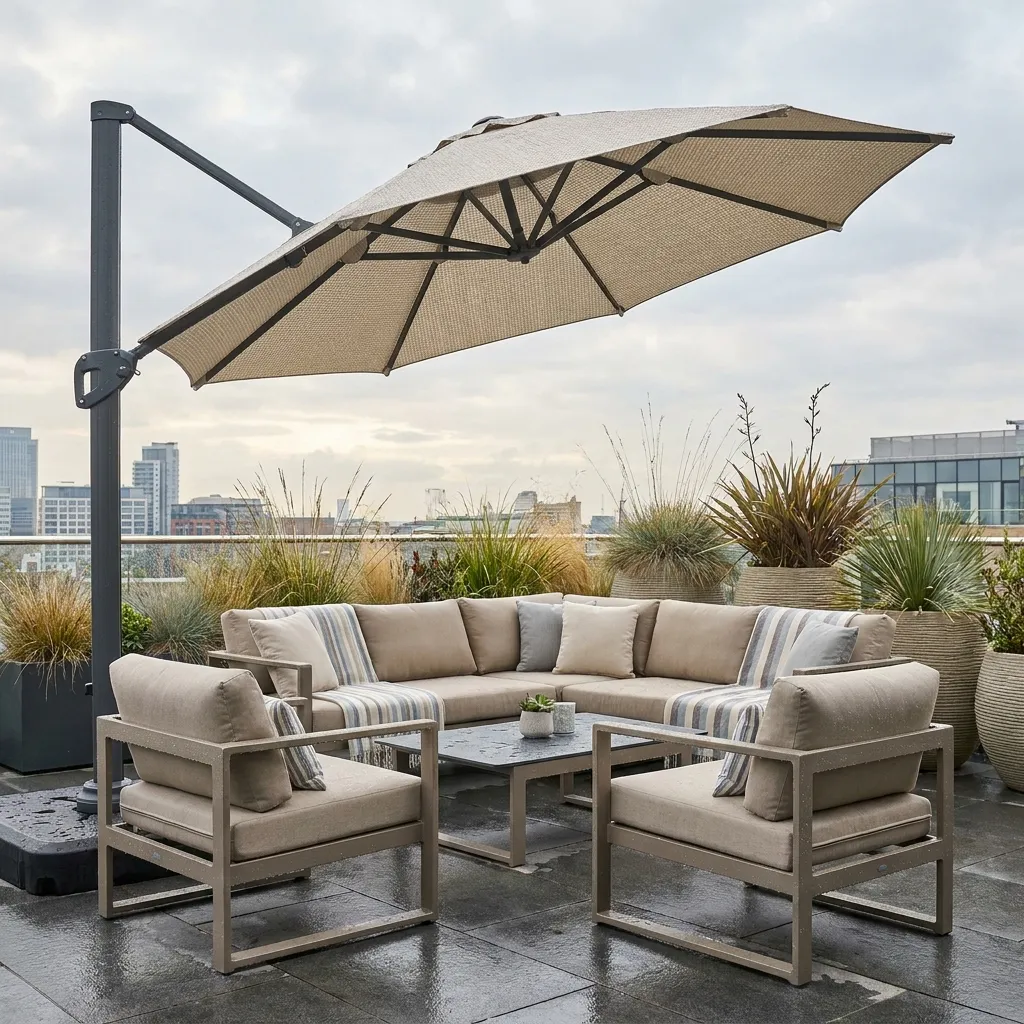
A cantilever parasol UK model has the support pole set to one side. This keeps the shaded area open underneath, which can make a real difference when arranging larger furniture. It is especially useful if a pole in the middle of the seating area would be in the way. It is often the better fit for:
- corner sofas
- modular lounge sets
- large dining areas
- open-plan patios
- homeowners who want flexible shade without a middle pole
If the layout still feels hard to judge, this related guide on Garden Umbrella Types UK Guide: Parasol Styles Explained compares shapes and common use cases, so you can see where each one usually works best.
A simple way to choose is to go through the layout step by step:
- Measure the area you want to shade first.
- Notice where the sun falls in the morning and later in the afternoon.
- Think about furniture placement and whether people can move around easily.
- Consider whether a central pole would get in the way.
- Match the parasol shape to the furniture underneath.
A tilting parasol UK model gives more flexibility as the day changes. That can be useful in everyday use, especially when the sun sits lower in the sky on urban terraces and in smaller gardens, where the angle of light can shift quite a bit and fixed overhead shade may not cover enough space.
The Best Garden Parasol UK Materials for Long-Term Use
When people talk about luxury outdoor furniture, materials matter just as much for parasols. In a British garden furniture guide, frame and canopy quality should usually come before colour trends, even if colour is the first thing people notice.
For the frame, an aluminium parasol UK buyers choose will often offer a strong balance of durability, low maintenance, and a clean, modern look. It is a practical option. Powder-coated aluminium resists rust much better than untreated metal and usually needs less upkeep than timber over time. It also works well in modern garden schemes, especially next to aluminium lounge furniture or a dining set on a patio or decking area. If the goal is to create a coordinated space, this is covered here: Rengard aluminium furniture: Premium UK Design.
For the canopy, there are a few main features worth checking closely:
- UV-resistant parasol fabric
- a water-repellent finish
- fade-resistant or colourfast material
- dense weave for better coverage
- an easy-clean surface
Polyester is common and often works well at entry level. Premium models usually use stronger fabrics that keep their colour for longer, which in many cases means less hassle later. Some specialist guides point to UPF 35 to 50 as a useful benchmark. UPF 40 to 50 is often described as very good protection (Just Parasols; Ruma). Even so, buyers should read labels carefully. A 2024 study found that 59.5% of tested umbrella products carried UPF claims, while validated claim rates were much lower overall (PMC).
In practice, fabric quality, canopy condition, and the way the parasol is used day to day often matter just as much as the printed claim.
Why Base Weight and Wind Discipline Matter So Much
Many parasol problems do not start with the canopy. They usually begin at the base. Even a well-made parasol can struggle if the base is too light or just not right for the design. In British conditions, that is one of the most important things to understand in any parasol base weight guide, and it is often easier to overlook than buyers expect.
Cantilever models usually need heavier support than centre pole designs because the load sits off-centre. Larger canopies also need more stability than smaller ones. That sounds simple, but on exposed patios, rooftop terraces, or coastal spaces, the minimum base requirement is not always enough. Buyers should think more carefully about how stable the whole setup will be in that setting, because that is where problems often appear first.
Specialist retail guidance suggests a practical way to handle this. Many premium parasols now come with fillable bases, often designed for water ballast. Some also include wheeled bases, which make moving them much easier. More secure fixing options may use steel cross-bracket systems that connect directly to a base. Where a more permanent arrangement is needed, especially on terraces or paved areas, some setups can also be bolted to a hard surface.
Common mistakes to avoid include:
- choosing a large garden parasol UK size without upgrading the base support
- leaving a parasol open when it is not in use
- treating ‘wind resistant parasol’ as though it means ‘storm proof’
- buying mainly for looks without measuring wind exposure first
- forgetting how often balcony spaces and roof terraces get stronger gusts
For buyers putting together a more weather-ready outdoor space, it also helps to compare the parasol with the rest of the setup. That is worth doing. This guide to Weather Resistant Outdoor Furniture UK: Best Materials gives useful context and helps when judging materials more clearly.
Matching Style, Size, and Sustainability
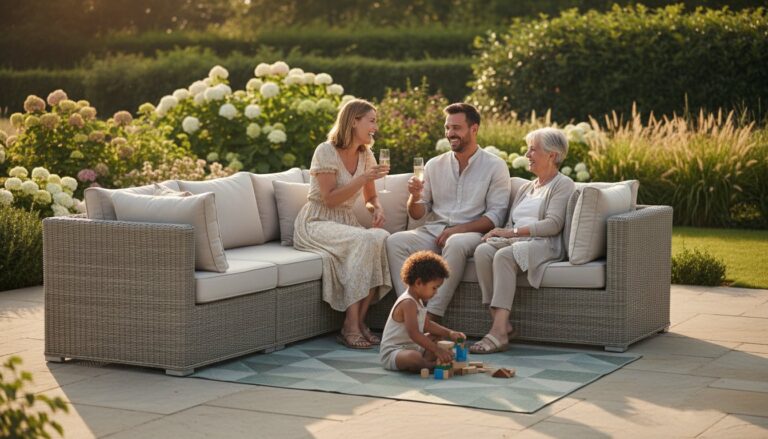
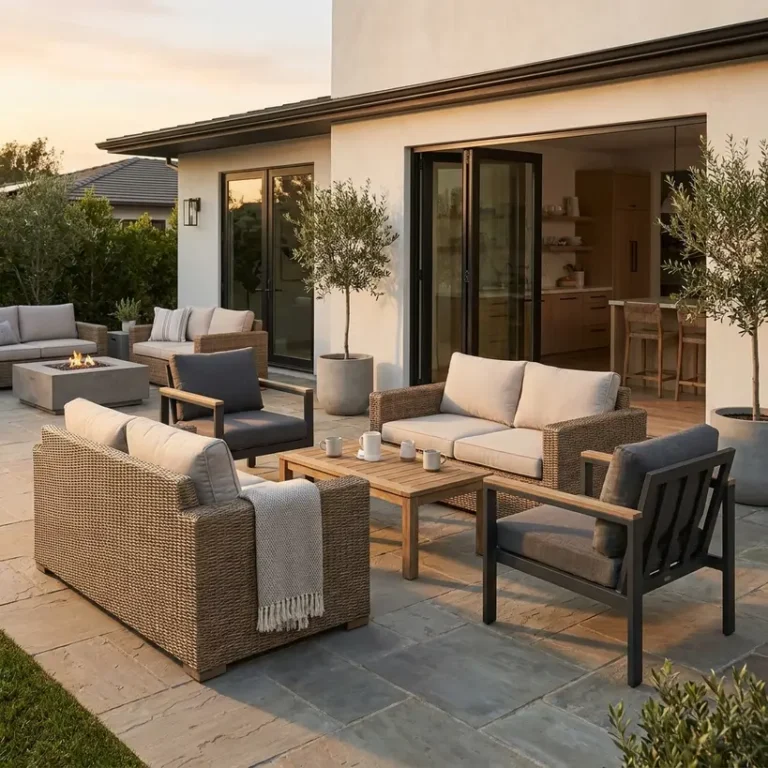
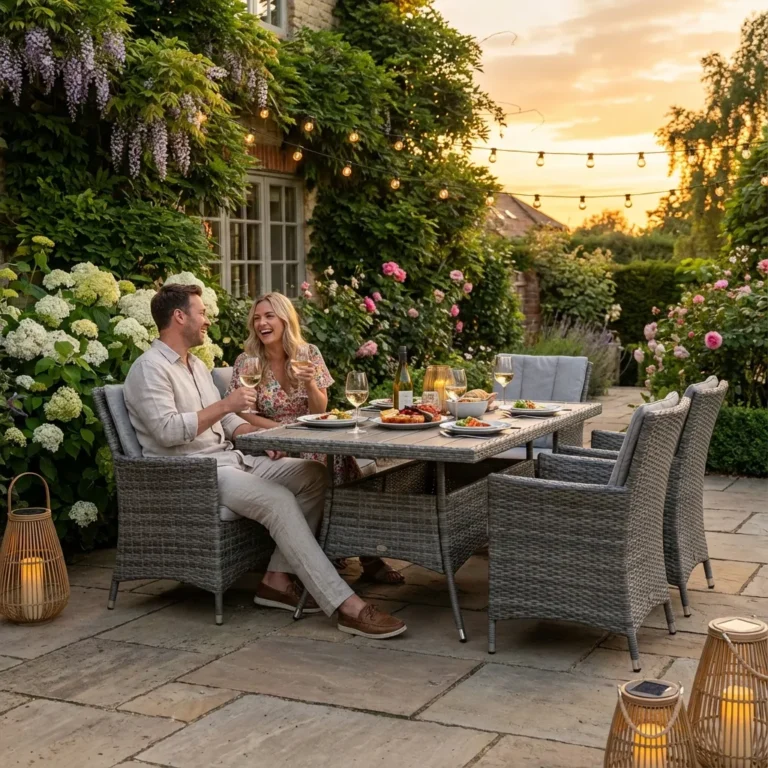
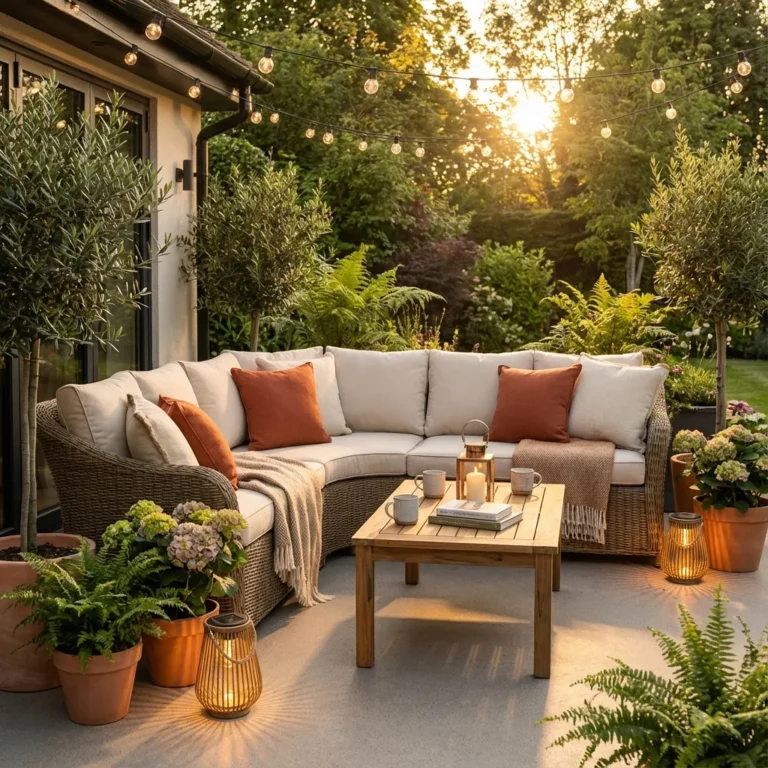
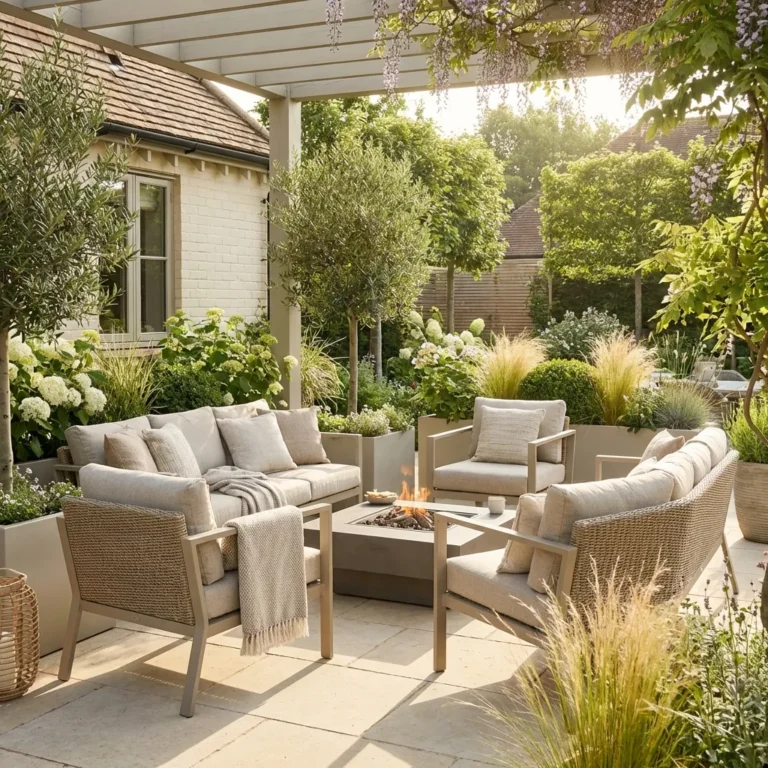
A parasol should not feel like an afterthought. I think the best modern patio parasol can lift the whole outdoor setting. For affluent homeowners, that often comes down to matching the frame finish, canopy colour, and overall size with the rest of the furniture, so it sits naturally beside the dining set, loungers, or sofa arrangement instead of feeling separate. That is often what makes an outdoor space feel well planned.
Neutral shades like taupe, charcoal, stone, and soft grey remain popular because they work easily with teak, aluminium, rattan, or composite finishes. They are flexible and understated, which probably explains why they tend to stay in style. Cantilever designs often suit contemporary homes, while centre pole styles usually feel more classic and relaxed, especially in a more traditional garden setting.
Sustainability also matters. A well-built parasol that lasts for many seasons is often a better environmental choice than a cheaper model replaced every summer. Durable aluminium frames, repairable parts, and colourfast fabrics can help reduce waste by making the product last longer. Buyers who care about sourcing and longevity may also want to read this guide to Sustainable Outdoor Furniture Guide: Ethical Sourcing & Materials.
For homeowners browsing premium collections, Rengard trendy outdoor furniture reflects the wider move toward coordinated shade and furniture choices for modern British homes. In my view, it shows how matching parasols and furniture can create a more consistent, well-planned outdoor space.
A Simple Checklist Before You Buy
Before choosing a premium garden parasol, it helps to go through a quick checklist. It does not take much time, and it can save money while helping you avoid expensive mistakes later on.
Ask yourself:
- How exposed is the patio to wind?
- Is a centre pole parasol the better fit, or would a side-post design work better?
- Will a tilting parasol UK feature be useful when the sun sits low?
- Is the frame aluminium, or is it made from another material?
- Does the fabric provide UV resistance and water repellency? Will it also help resist fading?
- Is the base included, and if so, is it heavy enough?
- Can the parasol be moved easily when needed?
- Does it suit the style of the outdoor furniture?
There is a practical reason to check these details. Outdoor living is becoming a bigger home investment. The global outdoor furniture market is expected to grow from USD 20.5 billion in 2026 to USD 24.98 billion by 2031 (Mordor Intelligence). That usually means buyers are thinking more carefully about long-term quality and asking more sensible questions before they buy. Shade should be part of that decision too, because it often affects comfort, durability, and how useful a patio feels from day to day.
Frequently Asked Questions
What is the best garden parasol UK buyers can choose for windy areas?
A parasol with a strong aluminium frame, a stable heavy base, and careful everyday use is usually the best option. A vented canopy may also help, but no parasol should be left open in strong gusts.
Is a cantilever parasol UK model better than a centre pole parasol?
It depends on your layout. Cantilever models are better for flexible shade over lounge and dining spaces, while centre pole designs are often simpler and ideal for smaller tables or patios.
How do I choose a UV resistant parasol?
Look for dense, colourfast, water-resistant fabric and treat UPF claims as one factor, not the only one. The quality of the canopy and how well it holds up over time are just as important.
What frame material is best for a low-maintenance parasol?
Aluminium is usually the top choice for low maintenance in the UK. It is light, strong, rust resistant, and suits both classic and modern patio parasol designs.
Do I really need a heavy parasol base?
Yes. The right base is essential for safety and stability, especially for larger or offset models. Cantilever parasols usually need much more support than centre pole versions.
The Smart Way to Invest in Outdoor Shade
The right parasol can make outdoor living easier, more comfortable, and better looking. In Britain, though, buying well usually means thinking about more than canopy colour alone, even if that is often the first thing people notice. Wind, frame material, garden layout, storage habits, and base support all matter here. For many homes, an aluminium parasol UK design is a strong, low-maintenance option. A centre pole parasol often works well in compact dining areas, such as smaller patios or balcony tables. In larger seating spaces, a cantilever parasol UK model usually works better, especially when flexible shade over sofas or loungers is the main goal.
One detail matters most in daily use: a wind resistant parasol is not a permanent structure. When the weather changes, close it, particularly if the wind starts rising or rain begins. It sounds simple, but it is essential in practice. Think about fabric quality, buy the correct base, and measure before ordering. With that approach, a parasol can often become a long-term part of an outdoor room rather than just a short-term summer extra.
If you’re planning a full patio upgrade, use this patio parasol guide alongside your furniture choices so the whole space works together in both style and performance. That usually makes it feel more practical and easier to use.