Guide to Choosing the Best Wooden Bed Frames
Choosing wooden bed frames seems simple until the details start adding up: styles, sizes, wood types, slat systems, mattress support, and storage options. Before long, it becomes a bigger decision than most people expect. A bed frame is not just about how it looks. It affects comfort, storage, sleep quality, room layout, and how long your mattresses hold up.
Wooden bed frames are still a popular choice because they bring warmth, strength, and a timeless look that fits many homes. The finish and shape can change the feel completely, from modern to rustic, classic, or minimalist. That range makes them a good fit for many interiors. They also appeal to buyers who care about natural materials and long-term value. People who already choose patio, balcony, and indoor furniture carefully often bring the same approach into the bedroom, looking for something strong, practical, and easy to live with.
This guide covers what really matters when choosing wooden bed frames. It explains the best wood types, the difference between solid wood and engineered options, how mattress support works, what sizes fit different rooms, and which design details make daily use easier. It also looks at current market trends, common mistakes, and useful tips for buying online, where small details are easy to miss. For anyone looking for a frame that looks good and supports mattresses properly for years, this article gives clear help for choosing with confidence.
Why wooden bed frames stay popular
Wooden bed frames still have a strong place in the bed market because buyers want comfort, durability, visual warmth, and a look that feels lived in rather than too polished. They remain a regular favorite. Industry estimates suggest wooden bed frames make up a large share of the wider market. MarketIntelo estimates they will generate $4.6 billion in revenue in 2025, or about 32.4% of the total bed frame market (MarketIntelo). Business Research Insights also reports that wood makes up roughly 45% of material share in the bed frames market (Business Research Insights).
These figures show that wood is not a niche option but a mainstream choice with wide appeal. People choose it for a few practical reasons. Wood often feels more inviting than cold metal, and a well-made wooden frame can last for years, which many buyers see as better long-term value with less trouble over time. It is also easy to live with and suits many bedroom styles, from farmhouse interiors to Scandinavian spaces.
Online shopping is also changing how bed frames are bought. MarketIntelo estimates online stores will account for 38.7% of revenue share in 2025 (MarketIntelo). Before buying, shoppers usually want clear product details, good photos, and honest support information so they can compare options properly.
Planning a full bedroom update also means thinking beyond the frame itself. Room size can affect the decision, especially for larger options like those discussed in Super King Beds: Are They Worth the Space?. A bed frame should suit the room and fit day-to-day use, which becomes clear once it is part of everyday life.
People often approach bedroom planning the same way they approach wider interior design projects. Guides such as Staffordshire Home Furniture: Modern, Stylish, British show how coordinated furniture choices can help rooms feel more balanced and practical.
Start with the right wood type
The wood you choose affects more than how a bed frame looks. A common buying mistake is focusing only on colour or style and missing the actual material. That choice affects strength, weight, price, and how well the frame will last over time.
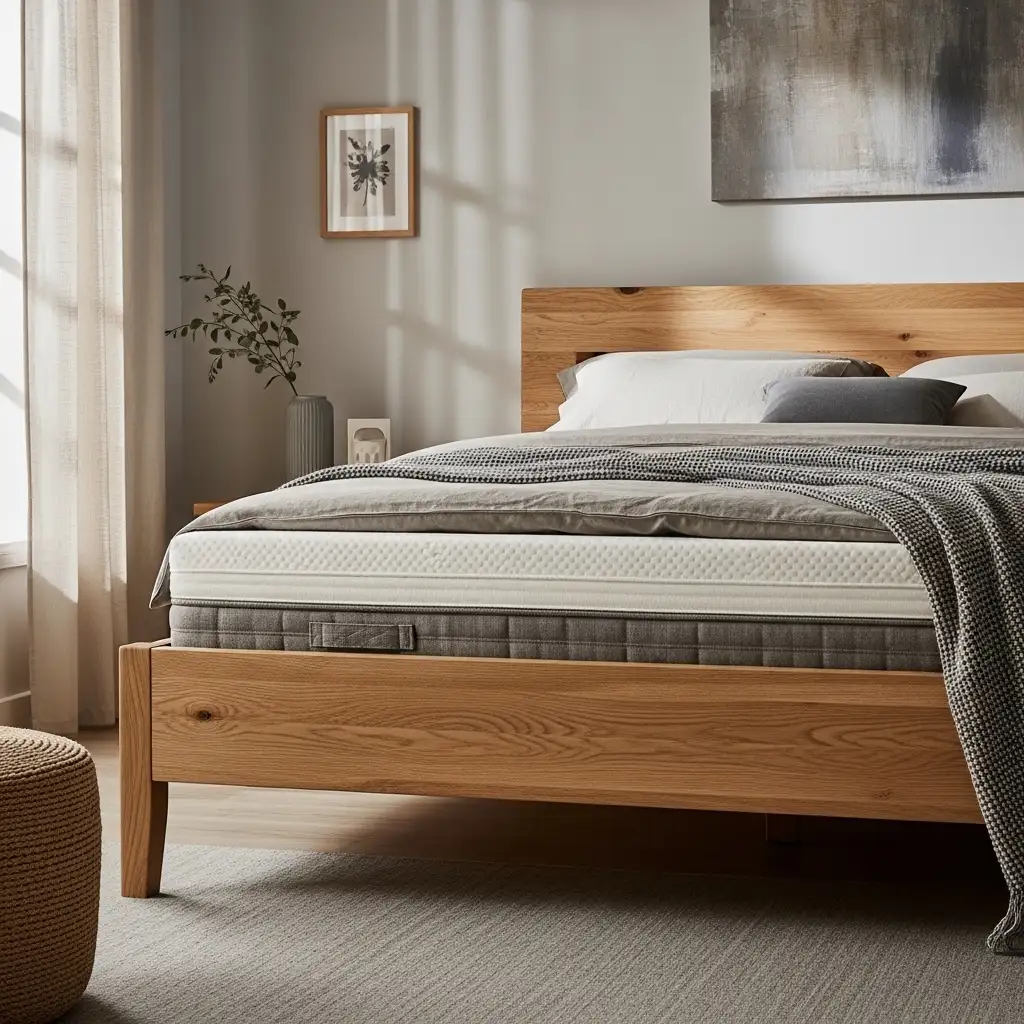
Hardwoods are some of the strongest options. Oak is a popular choice because it is durable and its visible grain adds character. Walnut has a darker, richer look that feels more high-end. Maple is tough and clean-looking, which works well in modern spaces. Ash is also strong, with a lighter look. Cherry often develops a deeper tone as it ages, and many people like that change.
Pine is softer and usually more affordable, which makes it a good entry-level option. It can dent more easily than hardwood, though, so it helps to match the material to how the bed will be used. A guest room, for example, may not need the same level of durability as a frame used every night.
It is worth reading product details closely, especially to check where solid wood is actually used. The main areas are the legs, side rails, headboard structure, and support sections. Mixed materials do not automatically mean a frame is a poor choice, but the parts that carry weight still need to be strong.
It helps to think about the frame the same way you would think about a house structure. Paint and finish still matter, but the real value is in what holds everything else up. For long-term use, hardwood in the main structural parts is usually the safer choice. That matters even more with larger bed sizes, heavier mattresses, and beds shared by two people, where extra strength makes a clear difference.
Solid wood vs engineered wood: what is worth your money?
A lot of buyers get confused here. Some products are sold as ‘wooden’ even though only part of the frame is actually solid wood. Others are made with engineered wood, MDF, plywood, or veneer, and no, those are not all the same. Knowing the difference can help you avoid disappointment.
With solid wood, the structural parts are made from real timber. That usually means better durability, stronger joinery, and more reliable long-term stability. It also tends to age in a more natural way. If you use it every day, small marks are more likely to blend into the grain instead of standing out.
Engineered wood still has its place, especially in decorative panels or more affordable furniture. The quality can vary a lot. Well-made plywood can work well in certain designs, while MDF and thin veneer used in structural areas may not hold up as well to daily use.
To judge value, it helps to ask a few questions:
What parts are load-bearing?
The side rails, center rail, legs, and slat support carry the weight, so these are the main parts. If you’re checking durability, strength comes first.
What is decorative?
Headboard panels, trim, and some storage fronts may use different materials, that’s normal, and this has little effect on performance, so you likely won’t notice.
How long do you want the frame to last?
For a bedroom piece you plan to keep for years, solid wood usually offers better value. If you just want a quick style update in a short-term home, a mixed-material frame may be enough, and that can still work well.
Forbes notes that strong wooden bed frames stand out for durability, quiet use, and timeless design (Forbes). That matters most when the frame is paired with high-quality mattresses meant to last for years, where solid construction usually makes more sense.
Mattress support matters more than most buyers expect
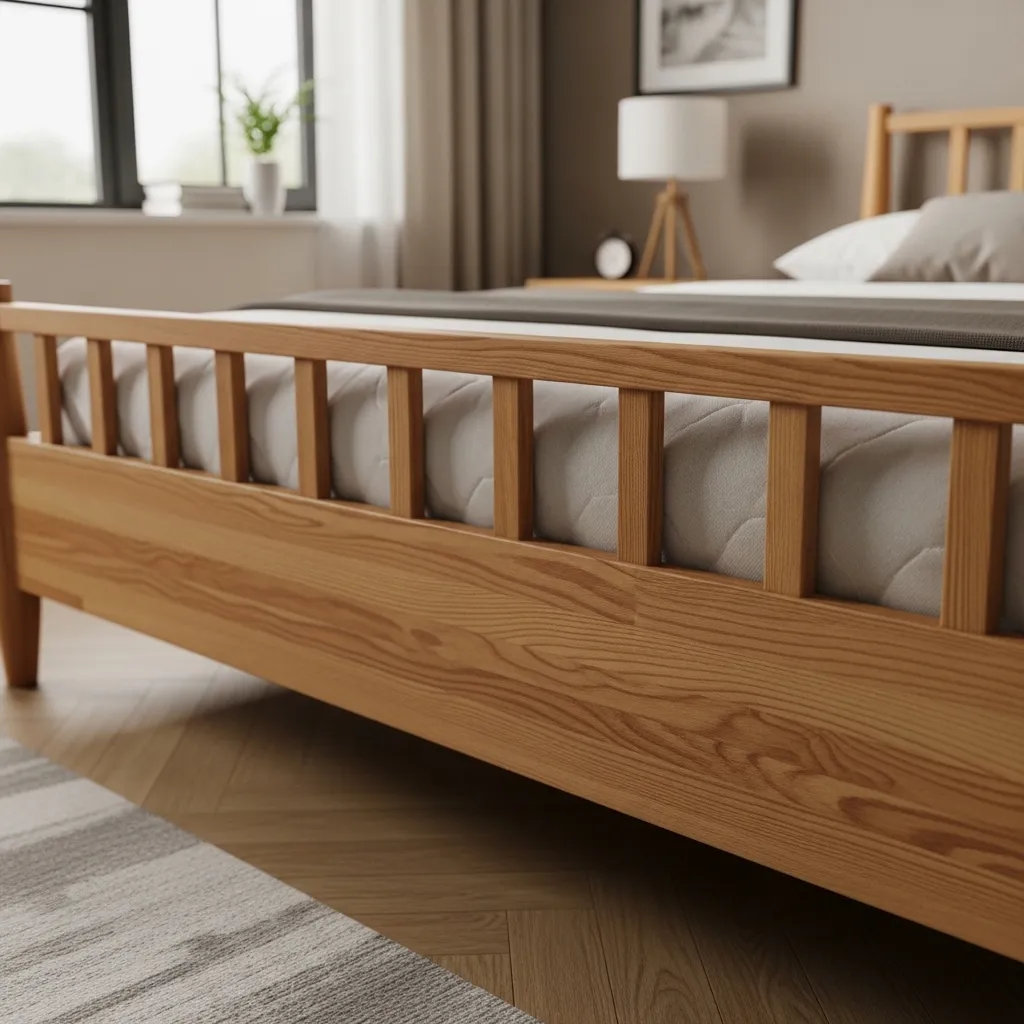
A beautiful frame can still be the wrong choice if it doesn’t support the mattress the right way. It’s one of the most missed parts of buying wooden bed frames, and also one of the easiest things to overlook. The support system affects comfort, airflow, noise, sagging, and how the bed feels after months or years of use.
A well-made platform frame can hold a mattress without a box spring, but the slat design decides how well that works. Slat thickness and spacing are worth checking carefully, along with the center support. For wider beds, a center rail and extra legs underneath add the stability that larger sizes usually need.
If slats are too thin or too far apart, the mattress can begin to dip between them over time. That affects comfort and can shorten the mattress’s life. It may also make the bed noisier, because movement puts more pressure on weaker support points.
Here’s a simple checklist for comparing frames:
- Strong slats with even spacing
- A center support rail for double, king, and super king sizes
- Secure hardware and brackets
- Clear weight capacity guidance
- Compatibility with your mattress type
Different mattresses need slightly different support. Memory foam and hybrid mattresses usually need close, even support. Some pocket sprung mattresses can work with slats, but proper spacing still matters. If both the bed and mattress are being replaced at the same time, it helps to think of them as one system instead of two separate products.
In a smaller room, the frame choice matters even more, because support, storage, and scale all have to work together. It’s a practical decision as much as a visual one, even if style still matters. Many people also compare bed sizes and layouts using guides like Choosing the Best Single Beds for Small Rooms.
Pick a style that fits your room and your routine
A bed frame is one of the biggest pieces in the bedroom, so it naturally shapes how the space feels. But appearance is only one part of it. The right design also needs to fit how the room is used each day.
For modern or minimalist rooms, low platform wooden bed frames usually work well. They help the room feel calm and open, and they pair easily with simple bedding and soft lighting. Scandinavian-inspired designs continue that look with pale woods, clean lines, and very little visual clutter. Rustic styles lean more toward visible grain, chunkier shapes, and a handmade look. Farmhouse designs often bring in panel headboards and warmer finishes. Mid-century styles stand out with tapered legs and a lighter visual feel.
Recent trend coverage points most clearly to strong demand for minimalist and Scandinavian styles, especially low platform shapes and multifunctional designs (Bedstar). For eco-friendly and non-toxic wooden options, The Good Trade also notes growing interest in that area (The Good Trade).
When choosing a style, think in layers:
Room size
In a small bedroom, large headboards and thick frames can feel too heavy. Slim rails or open-leg designs (a nice touch) help the room feel bigger (and less cramped for you).
Daily habits
Do you sit up in bed to read? A supportive headboard really helps. But if hidden storage also matters, a simple platform frame probably won’t be enough.
Existing furniture
Your bed frame should work well with wardrobes, side tables, lamps, and rugs. It does not need to match everything exactly, and that is fine, but the room as a whole should still feel planned.
If you want a more coordinated bedroom, it helps to think about storage pieces at the same time, as shown in How to Choose Modern Wardrobes for Bedrooms with Limited Space. A bed frame usually works best when the room feels balanced and has a natural flow.
Bedroom styling choices often connect with wider interior themes across the home. Articles like Modern Rugs to Elevate Your Home Decor can also help when you are choosing colours, textures, and finishes that complement wooden furniture.
Storage beds, multifunction designs, and small-space planning
A wooden bed frame often needs to do more than support a mattress. In many homes, it also needs to help with storage, which is a lot to ask from a single piece of furniture. That helps explain the growing demand for space-saving and multifunctional beds. Business Research Insights estimates that around 60% of consumers are looking for space-saving or multifunctional designs in this category (Business Research Insights).
The shift is easy to understand. Bedrooms often need room for extra bedding, seasonal clothes, shoes, and work-from-home items. A storage bed can cut down on bulky furniture and make the room feel cleaner and less crowded.
The main storage options include:
Under-bed clearance
The simplest option: a frame with enough space underneath gives you room for baskets or storage boxes, which helps, while staying affordable and easy to access.
Built-in drawers
Drawer beds are practical and very handy. Just make sure there’s enough floor space next to the bed so the drawers can open fully. They work best in medium or larger rooms, so plan ahead.
Ottoman lift storage
These beds lift to reveal a large storage area under the mattress base. They’re useful when side space is tight and work well in rooms with limited space.
Headboard shelving
Some designs build shelves or ledges right into the headboard, which can cut down the need for bedside tables and save space.
Still, storage needs to work well in real use. A feature may look nice in a product listing, but it is not the right choice if it makes the room feel cramped or makes the bed harder to reach. It may seem like a small detail, but it affects daily use. Pick storage that fits your routine instead of adding extra hassle.
How to judge build quality before you buy
Shopping online makes it harder to judge a bed frame. You cannot touch it, test it for wobble, or see how solid it feels in person. That means the product details matter more than many buyers expect. This is often where people either save money or end up making an expensive mistake.
Joinery and hardware usually tell you a lot right away. Better wooden bed frames often include reinforced joints, sturdy bolts, and center supports on larger sizes. A good product description should also mention slat count, rail thickness, and support legs. If those details are missing, that should raise concern, especially if you are moving quickly through listings.
Noise can also tell you a lot. Wooden frames are often described as quieter than metal frames when assembled properly. Still, customer reviews deserve careful attention. If several mention squeaking, shifting, slat movement, or loose parts, take that seriously. The issue may not be the wood itself. In many cases, weak hardware or poor design causes it.
Assembly is another detail worth checking. Some frames arrive with clear fittings and simple instructions, while others take much more time and effort to build. As online-first shopping keeps growing, easy assembly has become a stronger sign that the product was designed well and will likely feel easier to live with.
According to trend reporting from Ornate Home, buyers are increasingly drawn to furniture that combines clean design with practical use, including bedroom pieces that feel calm, functional, and flexible (Ornate Home). The best choice is usually a frame that looks good and also holds up to daily use.
Finish quality deserves attention too. Smooth sanding, low-VOC coatings, and even stain application usually suggest more care during production. Rough edges are often a bad sign. Patchy color or unclear material details can point the same way.
Sustainability and healthier choices for wooden bed frames
Wood appeals to many homeowners because it looks good and feels like a more natural, responsible choice. Still, not every wooden frame is equally eco-friendly. If sustainability is part of the decision, it helps to look past the headline details.
Where the wood comes from is a good place to start. FSC-certified timber is one of the clearest signs that the material comes from responsibly managed forests. The finish deserves attention too. Low-VOC or non-toxic finishes may help reduce indoor chemical exposure, which is especially relevant in a bedroom where people spend hours every night.
The Good Trade points to growing buyer interest in wooden bed frames made with eco-friendly and non-toxic materials (The Good Trade). Sources like that are useful for tracking broader consumer preferences, and here they show a wider shift in home buying. People are looking for products that look good, last longer, and support healthier living spaces.
Questions like these can help judge a frame:
- Is the wood responsibly sourced?
- Are the finishes low-VOC?
- Is the frame built to last, so it reduces replacement waste?
- Can parts be repaired or tightened over time?
Durability also plays an important role in sustainability. A frame that holds up for years will usually have a lower impact than one that needs replacing every few years. If two options are otherwise similar, longer-lasting construction may be the detail that decides it.
Common mistakes that lead to poor choices
Most bed frame regrets come from a handful of mistakes that are easy to avoid. Knowing them ahead of time can save time, money, and a lot of unnecessary frustration.
One common problem is picking a frame for its look alone. It may look great in photos, but without center support or with weak slats, it may not support a mattress properly. The result is a frame that looks good but works badly. Room size is another issue people often miss. An oversized frame can take over the bedroom and make it harder to move around with ease.
Mattress height also gets missed. Pair a thick mattress with a tall frame, and the bed can end up feeling too high. Put a thin mattress on a very low platform, and getting in and out may be less comfortable, especially for older adults.
Practical details around access and cleaning are easy to forget too. Drawer storage needs enough clearance at the side. Low frames may trap dust underneath if the gap is too small for cleaning tools. Headboards can also block windowsills or cover wall sockets, which many people only notice on setup day.
Some shoppers also underestimate how much the rest of the room affects the right choice. Side tables, rugs, wardrobes, and lighting all shape how the frame works day to day. A bed frame has to fit with everything around it, not just stand out on its own.
People furnishing several rooms at once sometimes compare bedroom choices with broader interior planning ideas from guides such as Sofas and Armchairs UK: How to Furnish Your Home with Style. Looking at furniture as part of a connected home setup often leads to more practical decisions.
Frequently Asked Questions
What is the best wood for bed frames?
Hardwoods such as oak, walnut, maple, ash, and cherry are often the best options for strength and long-term durability. Pine can still work well for budget-friendly frames, but it is softer and may show wear more quickly.
Do wooden bed frames need a box spring?
Not always. Many wooden bed frames are platform designs with slats that support mattresses directly. The key is to check slat spacing, support rails, and the mattress maker’s guidance before buying.
Are wooden bed frames better than metal ones?
That depends on your priorities. Wooden bed frames often offer a warmer look, quieter performance, and a timeless style, while metal frames can feel lighter and more industrial. For many homeowners, wood feels more versatile and better suited to a cozy bedroom.
How do I know if a wooden bed frame will support my mattress properly?
Check the slat design, the number of support points, and whether there is a center rail on larger sizes. If you are comparing options from retailers such as RENGARD, clear product details about frame construction and bedroom furniture style can help you judge whether a design is practical as well as attractive.
Are storage wooden bed frames worth it?
Yes, especially in smaller homes or rooms with limited wardrobe space. Storage beds can reduce clutter and make the room more efficient, but you should make sure the storage style fits your layout and is easy to use every day.
Where can I look for wooden bed frames that match modern home interiors?
Start with retailers that offer a wider home furniture range, not just standalone beds, because it is easier to create a balanced room that way. For example, browsing bedroom furniture alongside rugs, storage, and lighting at RENGARD can help you choose a frame that works with the rest of your interior rather than feeling isolated.
Final tips for making the right choice
A wooden bed frame needs to do more than look good. It should support the mattress properly, fit the room, suit everyday life, and stay stable over time. A good buying decision usually comes down to a few main points: material quality, the support system, size, storage needs, and style. Those basics are what make the difference.
Before buying, measure the room carefully and figure out how much walking space you need around the bed. You should also check whether your mattress needs close slat spacing. Bed height matters too, so it helps to compare the frame details instead of relying only on photos. These are small checks, but they are easy to miss when the process feels rushed.
It also makes sense to look at the room as a whole. The bed needs to work with storage, lighting, and the way the space is used each day. A frame can solve one issue and still create two others. If that happens, it is probably not the right fit.
Wood continues to hold a strong place in the bed market because it balances appearance and function well. Focus on solid construction, proper mattress support, and a design that suits the home. That makes it more likely the frame will feel right now and keep working well over the years.
The bottom line
Choosing a wooden bed frame depends on how you want your bedroom to work and feel every day. The right frame supports your mattress, fits the room well, cuts down on noise, and adds style without creating extra hassle. A bad one may seem fine at first, but weak slats, low-quality materials, or the wrong size can quickly lead to discomfort and daily frustration.
The main points are simple:
- Pick hardwood or other strong structural materials where they matter most
- Check slat spacing, center support, mattress compatibility, and overall build quality
- Match the frame size and height to your room and how you use it
- Choose storage only if it really makes daily use easier
- Look for sustainability signs such as FSC-certified wood and low-VOC finishes
- Read product details and customer reviews carefully when you shop online
Use these points as a practical checklist while you compare options online or in store. Looking more closely at the details usually makes the decision easier. A wooden bed frame should feel like a lasting part of your home, not something that already feels like a compromise. Solid mattress support and a style that suits your space are what matter most.