Small Balcony Furniture Solutions: Maximise Outdoor Style
A small balcony can feel limiting at first, especially when space is tight (a pretty common reaction). Many UK homeowners look at a narrow outdoor area and wonder what’s even possible there. What often gets missed is how much difference a few smart choices can make. The good news is simple. With the right furniture and some thoughtful styling, even the smallest balcony can usually turn into a calm, stylish spot you actually want to use. Somewhere to sit. Somewhere to breathe (even if it’s only for a few quiet minutes between a busy day). If you’re exploring small balcony furniture solutions, this guide will show how a few smart picks can completely change your space.
That idea is spreading across the UK. In cities like Manchester and Birmingham, balconies are becoming part of everyday living rather than an afterthought (which feels long overdue). This matters because people want fresh air and a place for a morning coffee that feels comfortable, not awkward. Because of this, interest has grown in compact outdoor furniture sets that fit neatly and still feel welcoming. When it’s done well, the space feels open and usable, not cramped or boxed in (which is usually the worry).
Rather than guessing, this guide looks at how to make the most of a small balcony in 2026. It covers furniture types and materials that suit British weather, along with real‑world advice, UK trends, and common mistakes to avoid. The goal is a balcony that works from day one, with less stress and fewer second guesses.
Why Small Balcony Furniture Solutions Are Booming in the UK
One of the biggest changes is how normal small outdoor spaces have become. This isn’t a niche topic anymore. As city living keeps growing, a balcony is often the only private outdoor space people have, and that’s now very common. Statista data shows the UK outdoor furniture market reached £1.39 billion in 2025, which surprises some people. Statista is generally trusted for market size data, and here it points to steady growth. Buyers are leaning toward compact furniture and better-made designs that fit narrow balconies and shallow patios, rather than big garden setups (Statista).
So what’s driving most of this growth? Research mainly points to seating. Analysts often connect this to comfort and flexible social use. That feels right to me: people want somewhere to sit, drink a coffee, or chat, not just furniture that looks nice. Storage usually comes later. Furniture that fits everyday habits tends to matter more than bold design on its own.
Seating sets dominated the United Kingdom outdoor furniture market, driven by high consumer demand for comfort, functionality, and social outdoor spaces. The rise of modular and space-saving seating solutions further boosts their appeal, particularly in urban areas with limited outdoor space.
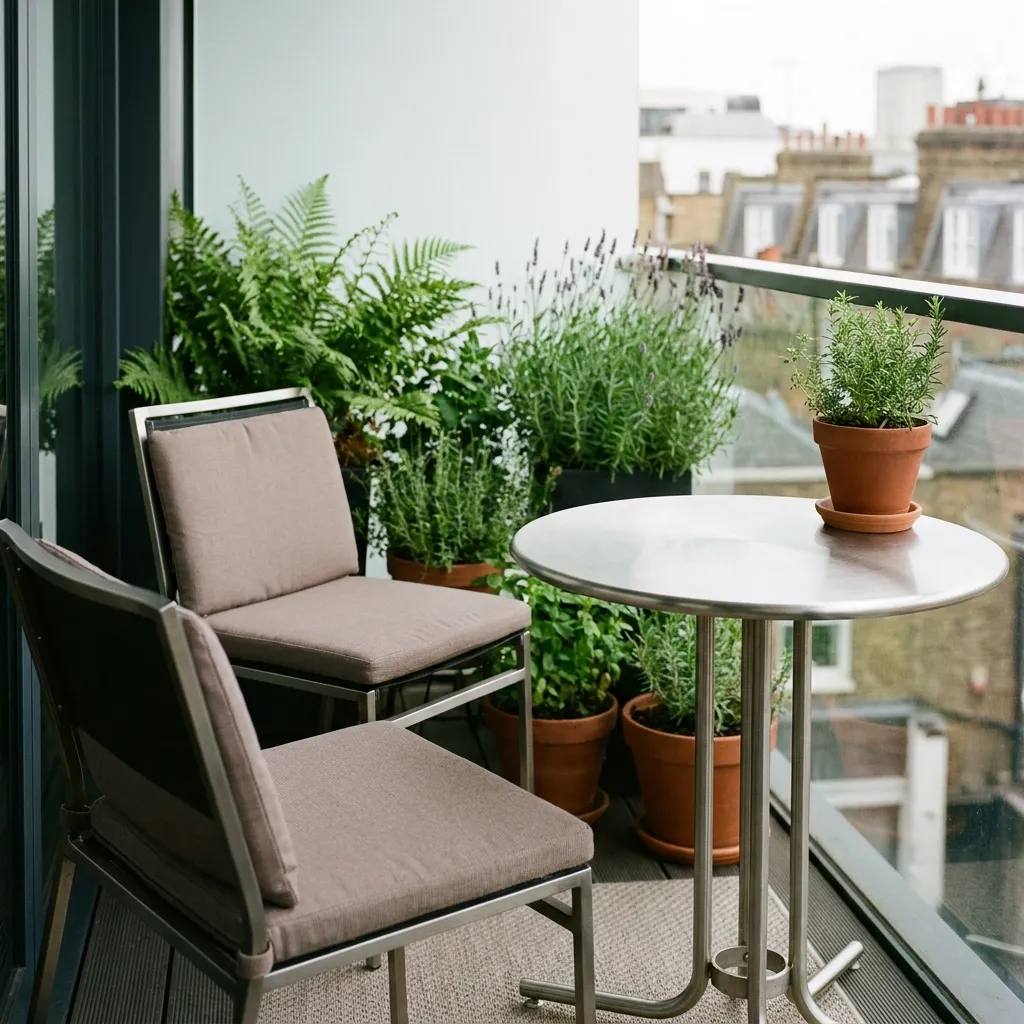
This helps explain why balcony seating UK buyers often go for compact two-seater sets or slim folding chairs. They feel inviting without taking over the space or blocking doors. Lightweight aluminium and weather-resistant rattan are popular because they’re easy to move, clean, and use day to day.
If the space is a small patio or shared area, there’s also a guide on Small Patio Furniture Ideas for Space-Saving UK Gardens that follows the same ideas. Worth a read.
Smart Small Balcony Furniture Solutions That Save Space Without Sacrificing Style
When space is tight, every piece of furniture needs a clear purpose. On a small balcony, there’s nowhere for clutter to hide, and it quickly becomes clear when something isn’t pulling its weight. The best space saving balcony furniture proves itself through everyday use, not just by looking nice in photos. Around the UK, many homeowners lean toward pieces that feel visually light, stay slim, and can adapt when plans change. That flexibility often matters more than expected, especially on small balconies where every step really does matter.
What works best usually comes down to how the balcony is used, but a few types of furniture show up again and again on smaller spaces:
- Folding balcony furniture, like chairs or compact tables, that fold flat and tuck away when not needed. It’s simple, practical, and easy to live with.
- Slimline outdoor furniture with narrow frames and open bases that keep the area feeling open and easier to move through, even when doors swing open.
- Compact two-seater sets, which often feel cleaner and more balanced than bulky sofas that can quickly take over limited floor space.
- Multifunctional stools that can act as seating, a footrest, or a small side table depending on the day.
Aluminium often works well in these setups because it resists rust and stays light enough to move around. That’s useful on narrow balconies in cities like Manchester and Birmingham, where furniture gets shifted often due to layouts and doors.
Brands like RENGARD rattan furniture focus on these practical details. Their aluminium frames and compact designs suit small UK outdoor spaces while still feeling comfortable and well made, which isn’t always easy to get right.
For a broader look at how these pieces fit together, this guide on Small Space Garden Design: Patio Styling Guide shows the bigger picture.
Balcony Design 2026: Trends Shaping Small Balcony Furniture Solutions and Outdoor Spaces
Balcony design in 2026 often sits between good looks and everyday comfort. Homeowners want outdoor areas that feel put together but are still easy to use, not fussy or hard to maintain. That balance matters more now because people are using their balconies more often, not just admiring them from inside. Westwing UK trend analysts point to a clear move toward slim shapes, soft neutral colours, and sustainable materials that feel thoughtful rather than heavy. This helps explain why many of these designs don’t feel dated after just one season (Westwing UK).
The biggest changes are practical. Soft greys, warm beige, and muted greens are often layered together to keep the space calm and flexible instead of busy. These colours are also much easier to update later. Rope‑weave mixed with aluminium appears often, with small touches of FSC‑certified teak used to add warmth without taking over a small balcony.
In places like Shropshire and Cheshire, where balconies are common on townhouses, vertical design choices can have a big impact. Wall planters with slim lanterns pull the eye upward, while rail‑mounted tables leave room for a coffee without crowding the floor.
Overfilling the balcony remains the most common issue. Even nice furniture can feel tight when there’s too much. Picking fewer pieces, keeping walkways clear, and letting the space breathe usually works better than squeezing everything in.
If this sparks ideas, you can find more background in our guide on Patio Design Ideas 2026: Modern, Coastal & Rustic Styles.
Materials That Matter: Durability, Sustainability, and Comfort
British weather is famously unpredictable, so material choice often becomes the deciding factor for balcony furniture UK buyers. A set that looks great in July but struggles after one damp winter can quickly turn into a regret instead of a bargain (we’ve all been there). The risk is even higher when a balcony is fully exposed on an upper floor.
Research from Mordor Intelligence shows growing demand across Europe for outdoor furniture that lasts longer and needs less upkeep (Mordor Intelligence). Aluminium leads the way, weather-resistant rattan follows close behind, and responsibly sourced wood still holds strong appeal. For everyday use, that trend feels pretty sensible.
Key material benefits include:
- Powder-coated aluminium, which usually shrugs off rust and fading through wet, windy months and just gets on with the job.
- Teak, loved for its natural look and its ability to hold up well with little care, especially when FSC-certified.
Sustainability now matters more in buying choices. Many UK shoppers want furniture that stays usable for years, reduces replacement waste, and often saves money over time. Smart, really.
Styling a Small Balcony for Everyday Living
Once the garden furniture is sorted, styling is usually what makes a balcony feel finished, at least in my experience. The aim is comfort without clutter. It helps to start with a few key pieces and then add things slowly as the space begins to feel personal (there’s no real need to rush). Taking it one step at a time often makes the setup feel more relaxed and lived-in.
Some styling ideas work especially well in small balconies. They keep things usable while still looking nice, which is what most people want.
- Outdoor cushions made from weather-friendly fabrics that can stay outside most of the time.
- A small rug to mark out the seating area, even when space is tight.
- Solar or LED lanterns that give off soft light in the evenings.
- One or two standout plants instead of lots of small pots fighting for space.
How the balcony gets used day to day matters. Morning coffee feels different from evening drinks or quiet reading, and small tweaks, like adjusting seating angles or table height, can help the space fit daily habits better.
If you like seasonal changes, swapping cushions or throws is an easy way to refresh things. There are also more ideas in a seasonal guide on Transform Your Garden: Seasonal Styling Ideas for Outdoor Spaces, which works well for balcony spaces too.
Frequently Asked Questions
What furniture works best for a very small balcony?
Folding chairs, narrow bistro tables, and compact two-seater sets work best. Look for slim frames and open designs that keep the space feeling light. These are often part of effective small balcony furniture solutions that make the most of every inch.
Is aluminium balcony furniture good for UK weather?
Yes. Powder-coated aluminium is rust-resistant and handles rain and temperature changes well. It is also lightweight and easy to move.
How do I make my balcony feel bigger?
Use fewer furniture pieces, keep colours neutral, and add vertical elements like wall planters. Avoid bulky designs that block floor space.
Are sustainable materials really worth it?
They are. Sustainable materials often last longer and need less replacement. This reduces waste and saves money over time.
Can premium furniture work in a small space?
Absolutely. Premium does not mean large. Well-designed premium balcony furniture is often more compact, durable, and comfortable than cheaper options.
Turning a Small Balcony into a Space You Love
A small balcony shouldn’t be an afterthought. Even with limited room, it can become one of the most enjoyed parts of a home when choices are thoughtful and practical. It’s modest, yes, but still meaningful, especially when it’s set up for everyday use rather than perfect conditions.
In tight spaces, quality often matters more than quantity. A smart option is choosing compact outdoor furniture that suits daily habits and the realities of UK weather, which can change quickly. Space-saving designs that last tend to feel better to use, not just on the odd sunny afternoon.
City flat or modern townhouse, the potential is there. Taking time to measure and start small often leads to pieces you’ll actually use, like a chair you really sit in, even when space is tight.
Ultimately, small balcony furniture solutions are about more than just fitting pieces into a tight space—they’re about creating comfort, style, and usability that reflect your lifestyle.