
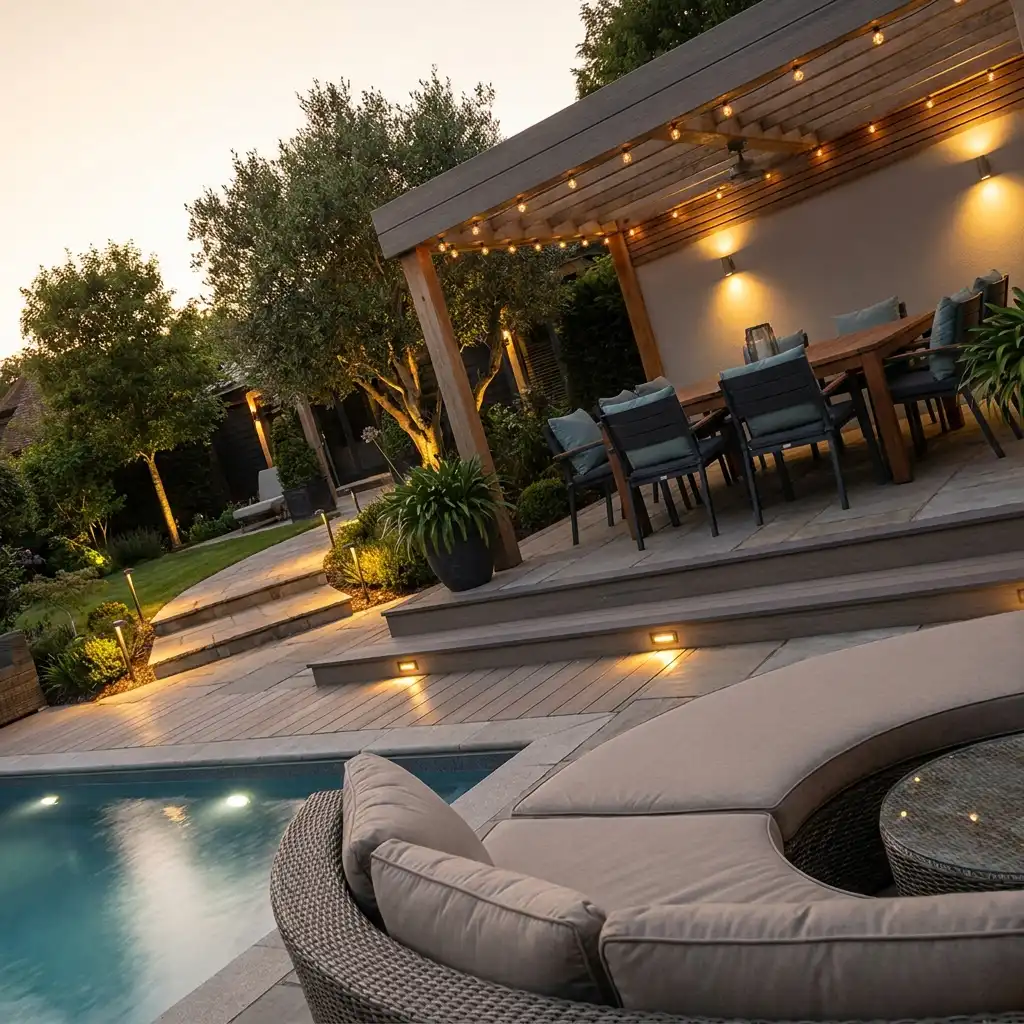
The Best Outdoor Lighting Ideas for Your Garden
Great outdoor lighting can completely change how a garden feels after sunset. A plain patio starts to feel warmer and more elegant, which is a big change. A small balcony can look bigger and become much easier to use. And a dining area turns into a place where people actually want to sit and stay a little longer. Outdoor lighting is not just about seeing where to walk. It also sets the mood, adds safety, and helps the whole garden feel more complete, from the path to the seating area. Often, it is the small detail that pulls everything together.
That matters even more now. Homeowners are putting more into outdoor spaces, and lighting is a big part of that. If the goal is a luxury look, something low-maintenance, and better use of the space, the right lights can usually do a lot. They might draw attention to a teak dining set, soften a rattan sofa area, or give an aluminium lounge corner a cleaner and more inviting feel, even with only a few fittings. These smaller choices can often make the whole space feel far more finished.
In this guide, you’ll find practical outdoor lighting ideas for large gardens, compact patios, and urban balconies. It covers layered lighting, the best materials, sustainable options, small-space tricks, and common mistakes to avoid. So for anyone wanting a stylish space that feels calm, useful, and built to last, these ideas will likely help make that happen.
Start With Layered Lighting, Not One Bright Light
The best outdoor lighting plans usually work in layers. Different lights do different jobs, and that’s often what makes a space feel finished. One bright light rarely looks polished. It can make the whole area feel harsh, which happens often, or leave awkward dark patches in corners and along paths. A layered setup usually creates a much better balance.
A simple way to think about it is to use ambient lighting for the overall glow, then task lighting anywhere clear visibility matters. After that, accent lighting can point to the features worth noticing. That might mean soft wall lights near a seating area, path lights along a walkway, and uplights under a tree or aimed at a textured wall. In most cases, that mix feels much more natural than relying on one strong fixture alone.
The wider trend makes sense too. Outdoor lighting is growing quickly because gardens are now treated more like real living spaces where people eat, relax, and spend time in the evening. The outdoor lighting market is valued at USD 31.85 billion in 2025, and LED fixtures account for 73% of that market. Deck and patio lighting are also among the fastest-growing segments, expanding at 9.1% CAGR.
| Outdoor lighting metric | Value | Year |
|---|---|---|
| Global outdoor lighting market | USD 31.85 billion | 2025 |
| LED share of outdoor lighting market | 73% | 2025 |
| Deck and patio lighting growth | 9.1% CAGR | 2025 onward |
Those numbers suggest homeowners are spending more on better, smarter lighting. They want lighting that works well, but they also want the space to feel nice to spend time in, which makes sense. That likely helps explain why layered lighting works so well here. It brings some of the feel of interior design outdoors.
For a seating zone, start with a soft main glow. Then add a more focused light for steps or a dining table, where clear visibility really matters. A feature light can also work well on planting, stone, or even furniture.
Match Lighting to How You Use the Space
Before you buy anything, it helps to walk through the garden at night and pay attention to how each area is actually used. Is there a spot where people eat most evenings? Does someone usually read on the sofa? Do guests move from the dining table to the fire pit or over to the lounge area? Good outdoor lighting usually works best when it follows real habits instead of looks alone, and that really matters here.
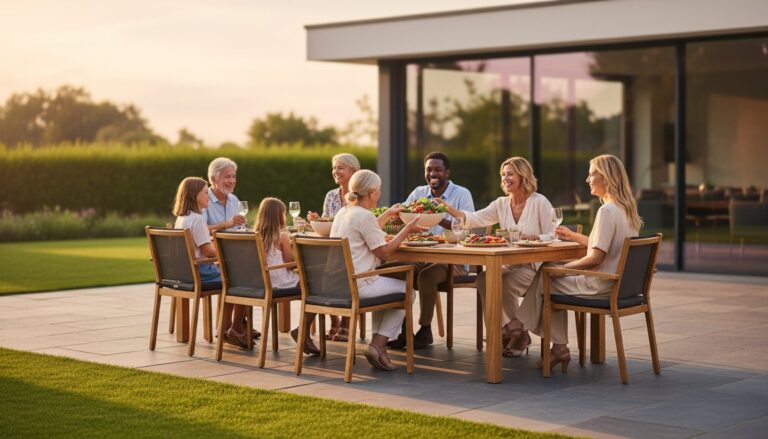
In dining areas, warm overhead or wall lighting helps people see faces and food without harsh glare. Lounge spaces usually feel better with softer light, which is often the more inviting choice. Small lantern-style lights and low side lighting can help create a relaxed atmosphere. Under-bench lighting is useful as well, especially with built-in seating. Pathways and steps need clear but gentle light so people can move around safely without making the space feel like a runway.
For garden living, a warm colour temperature is usually the best choice. The preferred range is 2700K to 3000K. It gives off a welcoming glow and often looks especially good next to natural materials such as teak, woven rattan, and soft outdoor fabrics. It is simple and effective in this kind of setting.
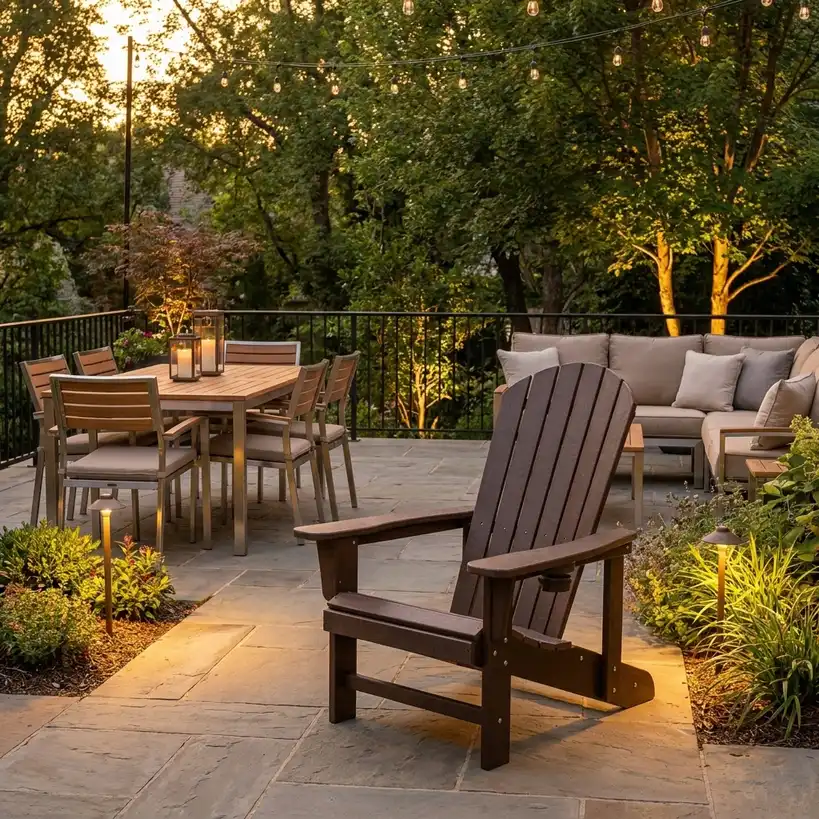
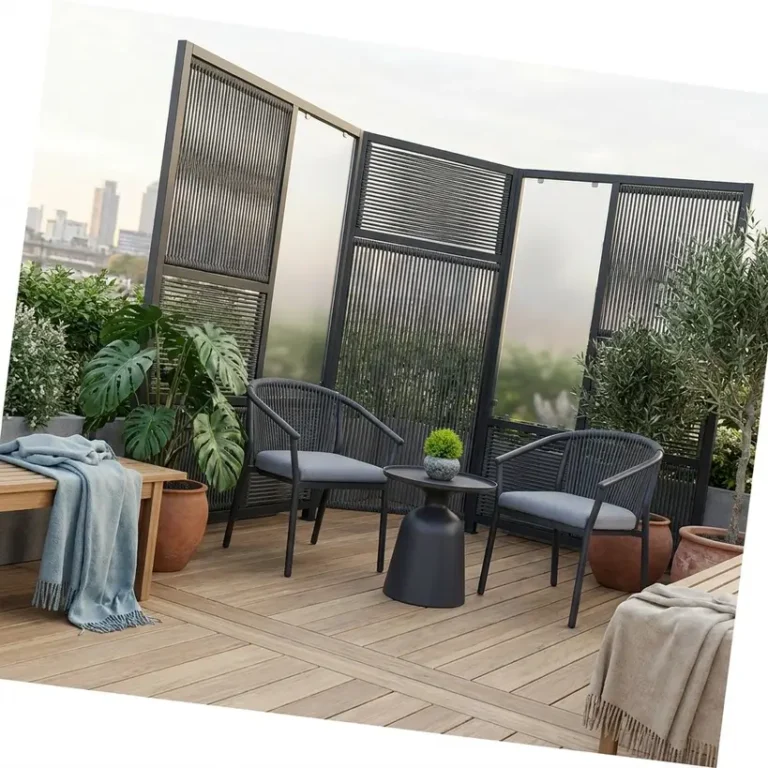
In smaller spaces, the same idea still applies. A balcony does not need lots of fixtures; it needs careful placement. One wall light, a compact rechargeable lamp, and a soft floor-level glow near the edge of the space can make it feel bigger and more welcoming. If room is limited, this guide to modular outdoor furniture for small gardens also works well with compact lighting ideas.
It often helps to think in scenes. One setting can work for dinner, another for quiet evenings, and a simple one for moving safely through the garden. That is how luxury outdoor spaces usually start to feel easy, well planned, and natural in everyday use.
Choose Durable, Low-Maintenance Fixtures That Last
Beautiful lighting quickly loses its charm if it rusts, fades, or stops working after one wet season. In high-end outdoor spaces, the material you choose matters a lot. The strongest fixtures are often made from brass, copper, stainless steel, or powder-coated aluminium, and that’s about more than looks. These materials usually cope better with changing weather and, over time, often need much less maintenance.
That matters even more in the UK, where rain, wind, and moisture regularly test outdoor products. If garden furniture is picked for weather resistance, outdoor lighting should meet the same standard. A clean-lined fixture that sits well beside aluminium frames or composite tables helps the whole space feel more pulled together, from the dining area to the lounge corner, and that can make a real difference.
LED-first design is now the practical choice, and it’s easy to see why. LEDs use up to 80% less electricity than older lighting systems, and they also usually last much longer. In real terms, that often means fewer bulb replacements, lower energy bills, and less waste over time. Current market research, based on insight from the U.S. Department of Energy, also points to the broader use of LEDs in outdoor spaces as a way to achieve major electricity savings.
There are a few simple mistakes to avoid. Mixing too many fixture finishes can make the space feel less consistent. Lights that look too small next to a large feature wall often get lost, while anything too bright can overpower a compact lounge area. And glare matters too. If the bare bulb is visible from a chair, the fixture is probably too exposed and, in most cases, pretty annoying.
For a more full outdoor setup, lighting usually works best when it supports the furniture and accessories instead of trying to dominate the space. Many homeowners pair it with thoughtful styling ideas like those in Outdoor Furniture Accessories to Elevate Any Garden.
Sustainable Outdoor Lighting Ideas That Still Feel Luxurious
Sustainable design doesn’t have to lose its sense of style. Many of the best outdoor lighting ideas right now feel refined and elegant while also being more responsible. LED and solar lighting are a big part of that change. The outdoor solar LED market is worth USD 9.84 billion in 2025, and it’s growing fast. Buyers want lower energy use, easier installation, less maintenance, and lighting that still looks beautiful, which makes sense.
Solar works especially well along path edges, next to planters, or on smaller patios where wiring can be awkward. It’s a very practical choice. Solar-hybrid systems are appearing more often too because they usually give steadier performance. If a space gets mixed sunlight during the day, that can be a smart middle-ground option.
Dark-sky thinking is another helpful approach. It uses shielded fixtures and light aimed downward onto walkways, seating areas, or planting beds where it’s actually needed. That can reduce glare and save energy, while often creating a calmer, softer look. Gardens can feel more peaceful this way because the lighting feels more intentional. In luxury spaces, less light often looks better.
This works well for long-term outdoor living. It often makes sense to buy fewer pieces and choose better ones. Warm LED light, durable fixture materials, and smart controls can help cut waste. That supports good design and long-term value, and the space will likely feel more comfortable to use at night.
Smart Lighting and Small-Space Ideas for Modern Garden Living
Smart controls are no longer just a nice extra. In premium outdoor lighting, they’re quickly becoming part of the standard setup. With app control, dimming, motion sensors, and timer settings, the garden becomes much easier to use every day. That means the dining area can stay lit for two hours, the lounge zone can be dimmed later on, and only the path lights remain on overnight, which is often the most practical choice.
This kind of setup works especially well in city homes, on balconies, and across small patios. In a compact space, each fixture usually needs to do a bit more. A rechargeable table lamp can move easily from dinner to drinks, which makes it truly useful. A dimmable wall light can switch from brighter task lighting to a softer evening feel. Under-rail lighting, or lights placed beneath a bench, also helps save floor space while adding style at the same time, and that small detail can make a clear difference.
Minimalist fixtures are popular too. Low-profile designs look clean and modern, but they also tend to blend in better with premium furniture. That usually helps the garden feel put together rather than crowded. For modern or architectural spaces, subtle lighting often creates the best result, especially when the goal is a calm, neat space that feels easy to use.
Homeowners are clearly making room for these upgrades. In 2025, 33% completed a yard, garden, or landscape project in the past three months. The average spend on yard and outdoor projects reached $13,447. Lighting is also expected to make up 36% of outdoor enhancement purchases, which is a pretty large share.
A Simple Plan to Light Your Garden Well
You do not need a huge garden or a full redesign to make this work. A simple plan is often enough. Start by noting the areas used most, such as dining areas, seating spots, paths, steps, planting beds, and balcony corners. Then think about what each one really needs, whether that is safety, mood, task lighting, or a way to bring attention to a feature. Keeping it practical usually makes the whole process feel much easier.
It also helps to keep the style matching your furniture and finishes. Teak and rattan often work well with soft, warm lighting, while aluminium and composite furniture usually look better with cleaner, more modern fixtures. If the project is a full outdoor living space, browsing curated design ideas from Rengard trendy outdoor furniture can make it easier to picture lighting and furniture together, instead of as two separate decisions, which they often become.
Rather than doing everything at once, test the layout bit by bit and add lighting in stages. The biggest difference usually comes from the main seating area and dining zone, so those should come first. Before any decorative extras go in, make sure the safest route through the garden is properly lit, especially along paths and steps. That is probably the part people notice most in everyday use.
Make Your Garden Feel Finished After Dark
The best outdoor lighting ideas usually aren’t about adding lots of fixtures. They’re more about making the space easier to use and much nicer to spend time in. A warm, layered glow can help a patio feel more like an outdoor room, which is likely the whole point. Good path lighting also adds safety along walkways and steps without feeling harsh. Smart LEDs can help cut maintenance and energy use, while durable materials often do a better job of protecting your investment over time. With careful placement, each chair, table, planter, and corner feels intentional instead of randomly lit.
Whether the space is a large garden, a compact courtyard, or a small urban balcony, the same basic rules still apply. The goal is to light for how the space actually gets used. Warm tones usually feel better, and avoiding glare makes a noticeable difference. It also helps to choose quality over clutter and keep sustainability in mind. Building the space in layers, much like indoors, often gives everything a more finished feel. I think that really matters.
Ready to improve your garden living setup? One helpful place to start is with an evening walk outside. You’ll notice where the garden feels dark, flat, or just underused. From there, make a simple lighting plan based on comfort, beauty, and long-term value. Even small changes can make a big difference, and the right outdoor lighting can make the garden feel more welcoming and usable after sunset. Honestly, it’s worth it.


One Comment