
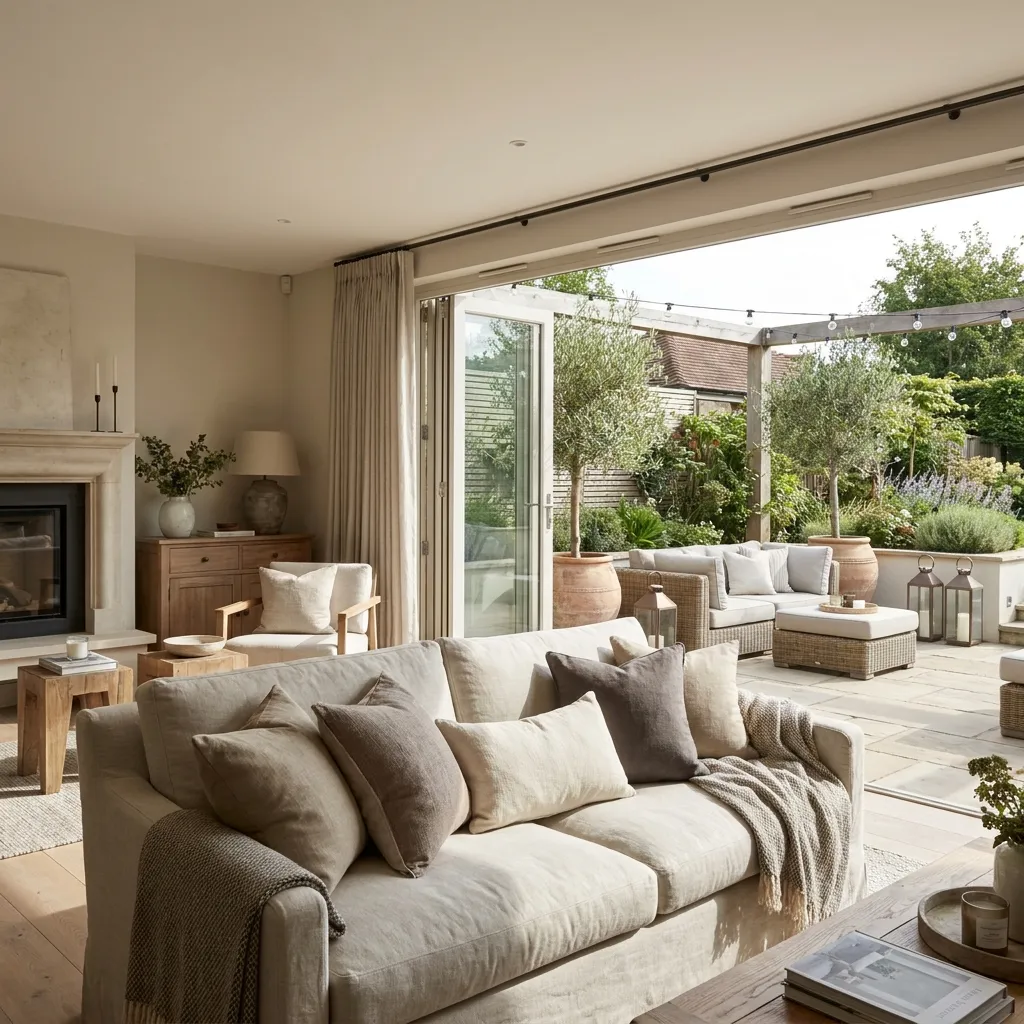
Indoor Outdoor Living UK: How to Style Your Home with Furniture
Creating a home that feels calm, stylish, and easy to live in involves more than buying attractive pieces. It comes from making each room feel connected to the next. In many homes now, that sense of connection also reaches beyond the back door. Patios, balconies, conservatories, and gardens have become part of everyday life, which is one reason indoor outdoor living UK style has become such an important design focus.
This is not simply a passing trend. It reflects a wider change in how people use their homes. Over the last few years, homeowners across the UK have started expecting more from every square metre. A terrace is no longer only somewhere to keep plant pots. Likewise, a garden is not just something to look at through a window on warm days. These spaces are now planned with the same care once mostly given to kitchens, dining rooms, and lounges. People want their homes to support work, rest, entertaining, and day-to-day comfort, so it makes sense to create spaces that move naturally between indoors and outdoors.
Why Indoor Outdoor Living Works for British Homes
This way of thinking works especially well in British homes because many properties have compact yet very useful exterior spaces. A small courtyard can become a smart extension of the kitchen. Furthermore, a narrow balcony can turn into a quiet spot for morning coffee with the right chair, a side table, and soft lighting. Sometimes a small change is enough to make a very noticeable difference. Even a suburban garden can be arranged so it feels like a series of outdoor rooms, each one visually linked to the interior. When indoor and outdoor furniture are chosen carefully, the whole property often feels larger, warmer, and better organised.
There is also a lifestyle reason behind the growth of this approach. People want homes that feel restorative. After long workdays and busy schedules, a cohesive setting can reduce visual clutter and support a sense of calm. When the same colour palette, materials, and design style appear inside and outside, the effect is easier on the eye. It creates rhythm and helps the brain read the home as one complete environment rather than a group of unrelated zones.
How to Create Flow Between Indoors and Outdoors
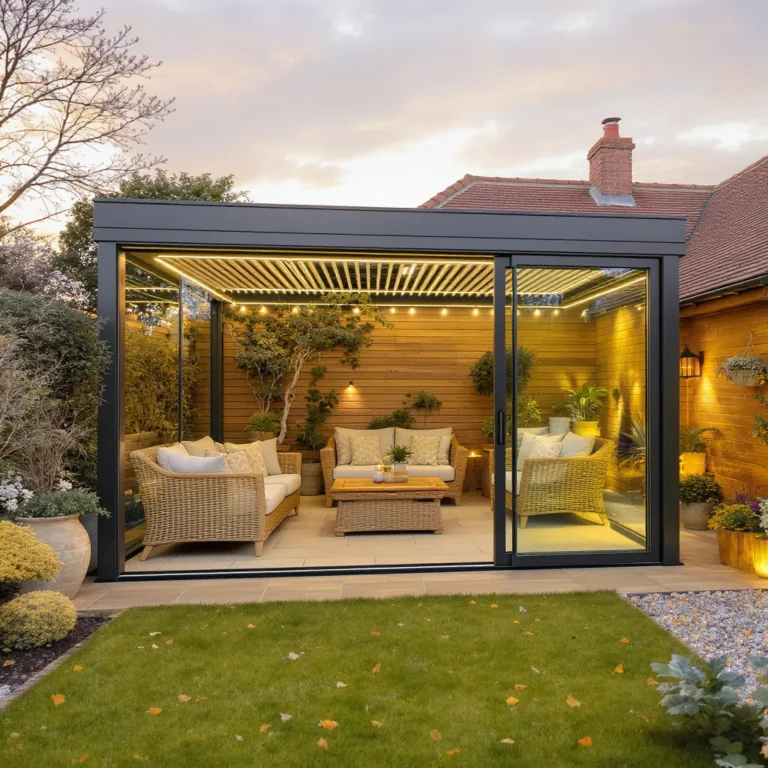
The appeal of this shift is easy to understand. Large patio doors, open-plan layouts, and more time spent at home have all changed the way people think about space. A garden can function as a second living room. Additionally, a balcony can become a private reading corner. With the right furniture, lighting, and accessories, a dining area can extend from the interior out into the garden. The idea is simple: the space should feel as though it flows.
That flow can be visual, practical, or emotional, and in many well-designed homes it includes all three. Visual flow comes from repeating colours, finishes, and silhouettes so the outdoor area feels tied to the rooms beside it. Practical flow comes from layouts that make movement easy. For example, an outdoor dining set placed just outside the kitchen supports continuity, and using similar side tables indoors and outdoors can also help. Emotional flow gives the whole setting a finished feeling. It is the sense that the home supports real daily life, from breakfast in the conservatory to late evening conversations on the patio.
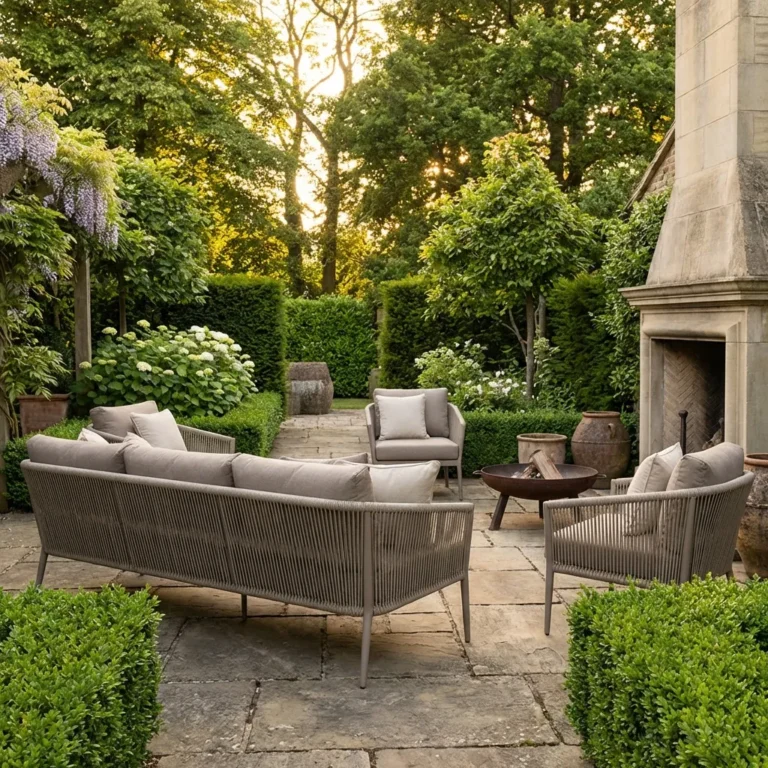
In design terms, flow usually depends on restraint. Many people assume that styling indoor and outdoor areas means buying full matching sets, but the most sophisticated homes rarely look over-coordinated. Instead, they rely on repeated tones, complementary textures, and shared shapes. If a living room uses warm oak, linen upholstery, and black metal accents, the outdoor furniture might echo that look through teak-effect tabletops, natural woven chairs, and dark aluminium frames. The spaces do not need to match perfectly. They simply need to feel connected.
Seasonal Style Tips for Indoor Outdoor Living UK
Seasonality matters too, especially in the UK climate. A well-styled indoor outdoor home should work across changing weather conditions. In spring and summer, doors may stay open for hours and the two areas may function almost as one. In autumn and winter, the connection may become more visual than physical, yet it still matters. The season changes, but the overall idea stays the same with a few practical adjustments. Furniture placement, lighting, and textiles can all help the garden remain part of the home when temperatures drop. A view of lanterns, evergreen planting, and sculptural outdoor seating can feel just as pleasing in January as it does in July. This concept is key to achieving a balanced indoor outdoor living UK aesthetic year-round.
That is why furniture selection deserves more thought than simply following what is fashionable. A sofa indoors may focus on softness and depth. Meanwhile, a garden sofa needs comfort too, but it also has to handle weather exposure. A dining table inside may be chosen with formal occasions in mind. However, the one outside may need to cope with family meals, drinks with friends, and the occasional rain shower. Good styling means thinking about appearance and performance together. Often, the best results come when each piece adds to a consistent atmosphere and also works properly in everyday life.
Market Insights and Design Trends for Indoor Outdoor Living UK
The market data shows how important this has become. The UK outdoor furniture market is projected to reach US$9.3bn in 2026, while UK home decor spending is expected to hit US$21.5bn, and lamps and lighting are forecast at US$13.85bn in the same year (Statista, Statista, Statista). This suggests that people are investing in complete spaces rather than picking up isolated items.
Investing in Complete Spaces
Those figures also suggest growing confidence among homeowners when it comes to longer-term design decisions. Instead of treating furniture and decor as temporary purchases, many now see them as part of a wider investment in quality of life. Better furniture can improve comfort, encourage more use of outdoor areas, and raise the visual standard of the whole home. Moreover, good lighting extends the hours a space can be enjoyed. Well-chosen accessories help rooms and terraces feel finished rather than merely functional. Spending growth across these categories points to a more rounded way of thinking about domestic design.
Practical Design Considerations
There is a practical reason for that investment as well. In the UK, where outdoor entertaining often depends on making the most of a limited number of sunny days, an exterior space that is ready to use is far more likely to be enjoyed. If garden chairs are comfortable, the lighting feels warm, and the layout supports conversation, people are more likely to use the area on impulse. The same principle applies indoors. When the transition between the two spaces feels easy, family life often becomes simpler. Children can move in and out more freely. Meals can spill outdoors without fuss. Entertaining feels more relaxed and less formal.
Product Innovation in Outdoor Design
The rise in consumer interest is also connected to product innovation. Outdoor furniture has improved dramatically in recent years. Buyers can now choose weather-resistant fabrics that feel close to indoor upholstery, modular seating systems designed for flexible layouts, lightweight aluminium frames with powder-coated finishes, and realistic synthetic weaves that add texture without asking for too much maintenance. Lighting has changed too. Rechargeable table lamps, wireless LED lanterns, and low-energy garden illumination make it much easier to create atmosphere without complicated installation. Together, these developments make it achievable to soften the line between inside and out and create an inviting indoor outdoor living UK environment.
Furniture and Styling Ideas for British Homes
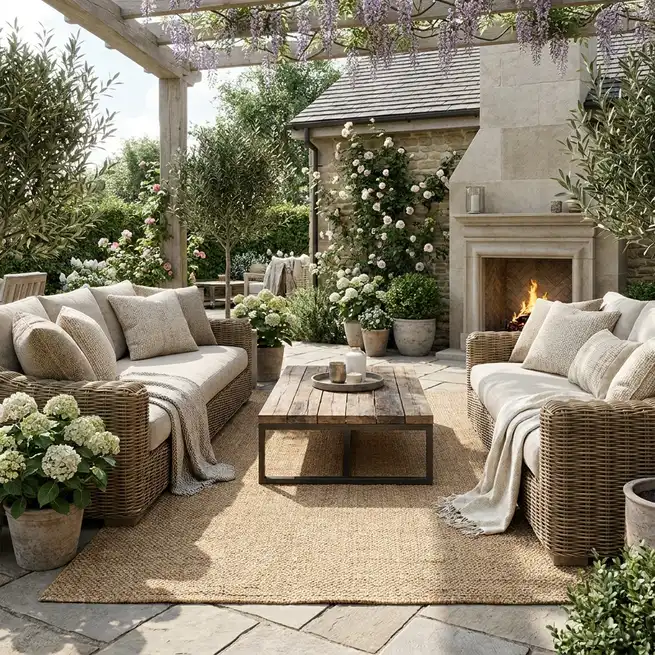
For homeowners, that means there is now more freedom to create a tailored look. A small city flat with a balcony may suit foldable bistro furniture, compact planters, and slimline lighting. A period home with French doors might work better with classic dining chairs, stone-toned accessories, and layered textiles that connect traditional and modern styles. A contemporary new-build could use clean-lined modular seating, pale porcelain paving, and architectural lighting for a minimal but welcoming effect. The homes may be very different, but the same core principles still apply: continuity, comfort, and usability.
It is worth remembering that successful indoor outdoor styling is not about making every part of the home look expensive. Instead, it is about making the space feel considered. For example, a modest patio can look elegant if the cushions pick up tones from the living room rug. A simple bench can feel more luxurious with an outdoor throw and a lantern beside it. Repetition can have a strong effect, and editing usually matters more than people expect. When clashing items are removed and replaced with pieces that support a consistent look, the whole space feels calmer almost immediately.
Connecting Interiors and Exteriors for Harmony
This is especially useful in homes where indoor and outdoor areas are visible at the same time. If the terrace can be seen from the sofa, or the dining area from the garden path, any mismatch becomes much more obvious. Plastic chairs in a bright colour may interrupt an otherwise neutral and refined room scheme. An overstyled patio with too many competing accessories can also make the interior feel disconnected. Therefore, looking at both spaces together helps solve these problems before they start to shape the overall impression.
Enhancing Property Appeal
Another advantage of a cohesive approach is that it can support property appeal. Design should first work for the people living in a home, but well-planned indoor outdoor flow also tends to appeal to buyers and guests. It gives the impression that the home is modern, cared for, and easy to enjoy. Estate listings often point to bi-fold doors, landscaped gardens, and entertaining areas because those features suggest lifestyle value. Styling them well helps bring that value into everyday life rather than leaving it as something that only appears in a sales description.
In this British home styling guide, you will learn how to build a seamless indoor outdoor design with colour, texture, layout, premium lighting UK choices, and practical furniture picks. It will cover living room furniture UK ideas, patio styling ideas UK, garden accessories UK, and modern decor ideas UK that help a home feel unified, durable, and inviting throughout the year. For further inspiration, read Introducing RENGARD Home: Modern Indoor Furniture for Contemporary British Living.
How to Achieve Indoor Outdoor Living Harmony
One useful approach is to look at the home as one visual story. Notice which colours already appear in the walls, flooring, upholstery, and soft furnishings. It also helps to identify the materials that define the current style, whether that is oak, painted wood, brass, rattan, linen, boucle, glass, or matte black metal. From there, consider how those elements might continue outdoors in more practical forms. This does not mean copying the living room exactly. Instead, it means translating the same mood. A cosy interior might become an outdoor lounge with textured cushions, warm lighting, and soft neutral tones. A sleek interior might extend into a patio with structured silhouettes, smooth surfaces, and restrained decor. This is the essence of indoor outdoor living UK harmony.
Layering and Layout for Flow
It also helps to think in layers. Furniture provides the foundation, but styling is what makes the scheme feel complete. Rugs can anchor seating areas and create a visual bridge between inside and out when similar patterns or tones appear in both places. Planters bring softness and structure. Side tables make the space more useful. Lighting adds depth after sunset and helps the garden remain part of the home when viewed from indoors. Accessories such as cushions, throws, candleholders, and trays may seem like small details, yet they often determine whether a space feels welcoming or unfinished.
Layout is another important part of the puzzle. What tends to improve flow most easily? Often it is by matching functions across thresholds. If the indoor dining table sits beside garden doors, the space outside usually works better for dining or relaxed seating than for a random storage unit. If the living room opens onto the terrace, the conversational layout can continue outdoors with facing chairs, a central table, and soft ambient light. It sounds simple, because in many ways it is. However, when neighbouring spaces support related activities, movement feels more natural and the home becomes easier to use.
Durability and Real-Life Use
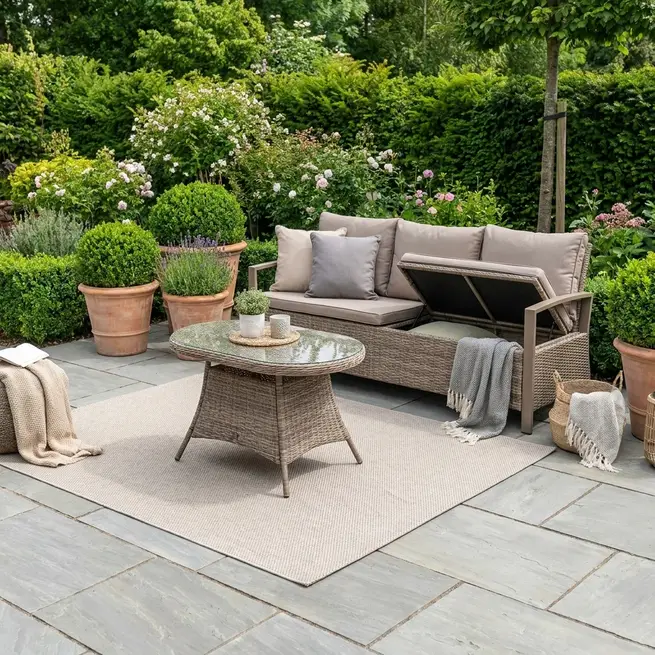
Durability should remain central throughout the process. The UK climate can change quickly, so materials matter. Outdoor woods need care. Metals benefit from protective finishes. Fabrics should be made to withstand moisture and fading. The aim is to create a beautiful setting that also stays attractive with realistic upkeep. Many of the best modern furniture collections now combine strong construction with a refined look, allowing homeowners to achieve a polished result without losing practicality.
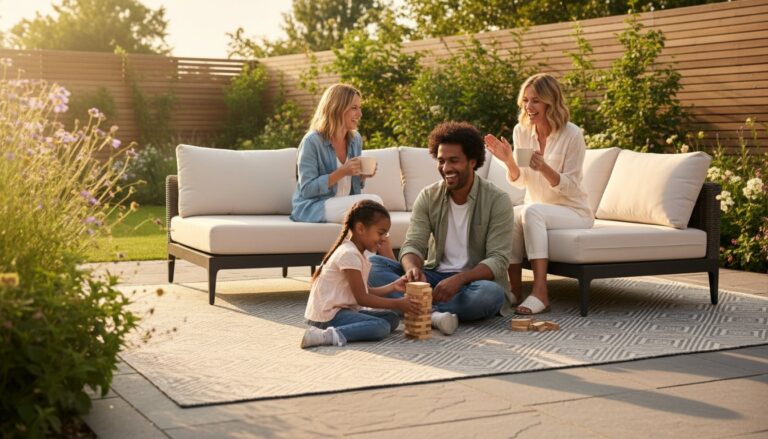
Most importantly, a successful indoor outdoor home should reflect real life. If the household hosts often, flexible seating and surfaces for serving food and drinks should take priority. If the outdoor space is mainly used for quiet evenings, comfort, lighting, and privacy may matter more. If there are children or pets, washable fabrics, rounded edges, and durable flooring become especially useful. Design works best when it supports actual habits rather than idealised images. A cohesive home is more than something that looks good in photographs. It should feel intuitive, comfortable, and enjoyable every day.
Achieving Seamless Indoor Outdoor Living UK Flow
By approaching furniture, lighting, and decor as connected decisions rather than separate purchases, it becomes possible to create a home that feels more spacious, more purposeful, and more inviting in every season. Whether the space is a compact balcony in London, a family garden in Manchester, a coastal terrace in Cornwall, or a conservatory in the Midlands, the same principles still apply. Use consistent tones. Balance softness with structure. Choose durable pieces that still have indoor appeal, and let each area relate naturally to the next. Ultimately, the result is a home with genuine flow, where the boundary between inside and outside feels less like a division and more like an opportunity.

8 Comments